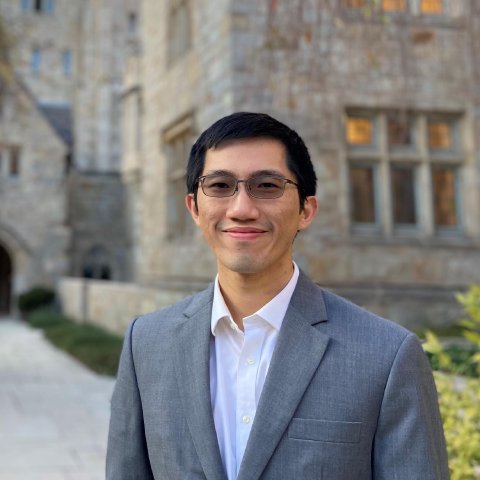
Welcome! I am a Ph.D. candidate in Political Science at Yale University, with research interests spanning comparative politics, international relations, and public policy. My research focuses on the causes and consequences of rulers’ politicization of their bureaucracies, specifically the military and police. A secondary research area extends into the international arena, examining the effects of autocratic states’ foreign interference and security assistance on recipient countries’ public opinion.
Analyzing how autocrats manage their bureaucracies matters for understanding the legacies of politicization in areas such as public sector reform after democratization, electoral behavior, and social cohesion. Three questions on these typically opaque security bureaucracies animate my research agenda:
- Who stays loyal to the regime as domestic opposition mounts?
- How do autocrats use bureaucratic postings for electoral advantage?
- How does regime propaganda shape security personnel’s loyalty?
With a regional focus on Southeast Asia, I use multi-method designs to shed light on the relationships between autocrats, state bureaucracies, and the masses. Examining politicization requires careful inference across different levels of analysis. At the macro-level, I use survey and electoral data to understand political preferences and perceptions among the general public and public sector organizations. Government and private archives help provide meso-level insights into how these bureaucratic organizations work in practice, their subcultures, and how bonds of solidarity develop or fray in the workplace. At the micro-level, I interview bureaucrats to understand why they joined or left the public sector, and their lived experiences while serving the country. These different approaches document the quiet but important contributions of government bureaucrats, whose aggregate behaviors are only captured in part by scholarly measures of state- and nation-building.
My research has been generously supported by the Institute for Humane Studies, the Japan Foundation, the National University of Singapore, the Social Science Research Council (Singapore), the Southeast Asia Research Group (SEAREG), and Yale’s MacMillan Center.
My dissertation is chaired by Kate Baldwin and Jennifer Gandhi, with Elisabeth Wood, Daniel Mattingly, and Elizabeth Parker-Magyar.
Interests
- Bureaucracies
- Autocracy & Democracy
- Civil-Military Relations & Policing
- Foreign Interference in Domestic Politics
- Mixed Methods
- Southeast Asian Politics
Education
- Ph.D. in Political Science, 2027 (expected) Yale University
- M.A. in International Relations University of Chicago
- Joint B.A. in Political Science University of North Carolina at Chapel Hill & National University of Singapore
Research
Working Papers
Job Market Paper
Who Stays Loyal? Security Personnel Support in Autocratic Elections
Best Paper Award (Emerging Scholar), APSA Southeast Asian Politics Related Group (2026)
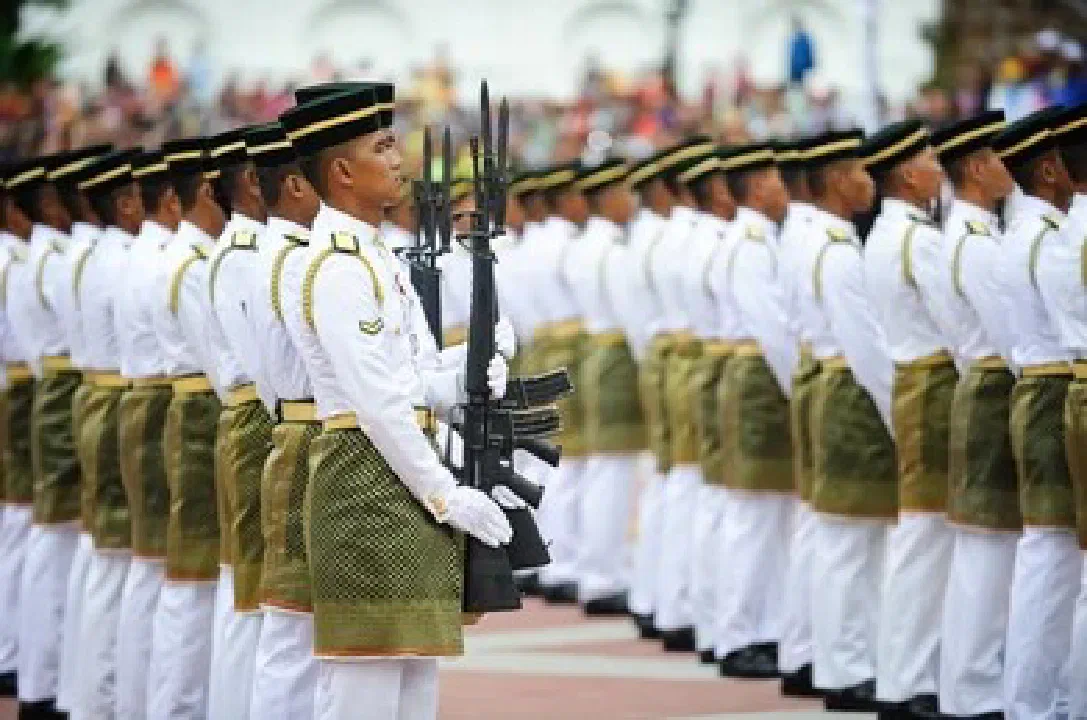
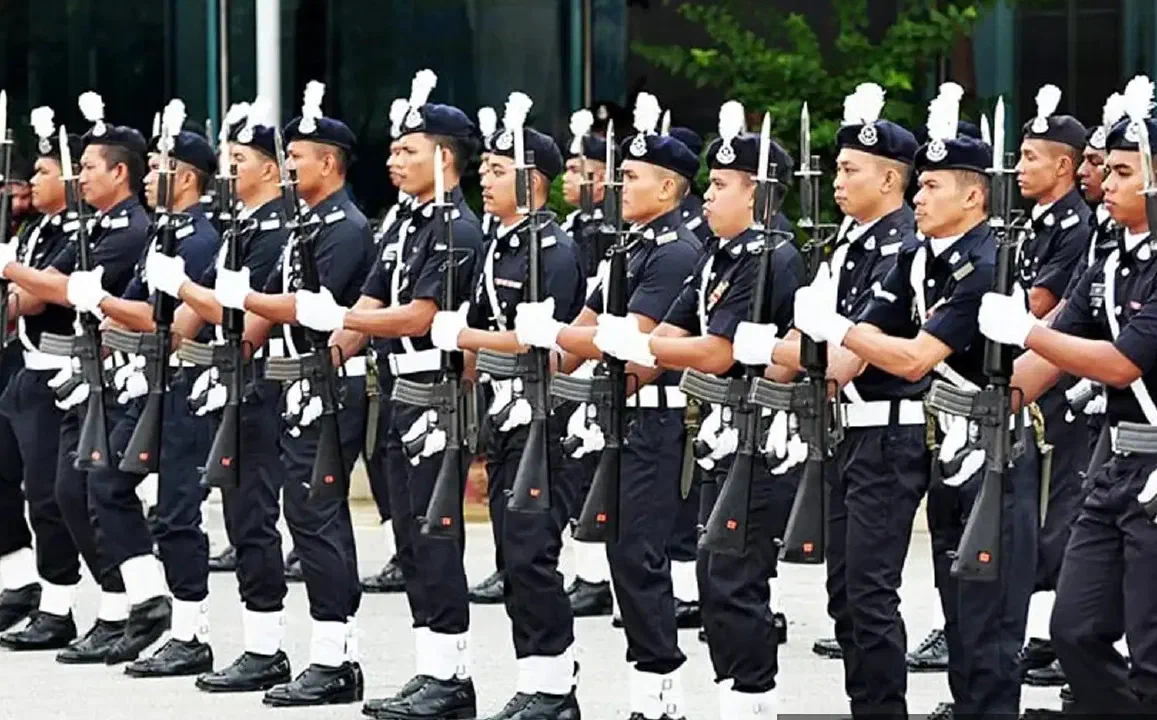
As opposition to an authoritarian regime strengthens, which members of the security apparatus remain loyal? Conventional accounts of ethnic stacking predict that the autocrat's coethnics will be the most reliable supporters. Conversely, this paper demonstrates that minority personnel can, in fact, engage in loyalty overcompensation, displaying more steadfast support for the regime than their majority-group colleagues, who are the autocrat's coethnics. Using uniquely identified electoral data on security forces' voting across three Malaysian elections (2013–2022), this study finds that minority personnel supported the ruling coalition at similar or higher rates than their majority colleagues. Extensive field interviews suggest that identity suppression and coethnic isolation are the key mechanisms driving this behavior. The pattern of minority defections to a progressive opposition coalition during the 2018 transitional election and the 2022 post-authoritarian election is inconsistent with a materialist explanation. These findings challenge assumptions about stacked security forces' loyalties, highlighting the importance of intra-organizational dynamics.
- Collective Punishment of the Other: Perceptions of Groupness and Public Responses to Foreign Influence
under review
Abstract
When rival governments interfere in each other’s domestic affairs, disclosures of that interference often trigger demands for “collective punishment”—broadly punitive policies impacting the rival country’s ordinary citizens. Why do people support such indiscriminate policies that impose costs on an entire national group? We argue that people’s support for such measures is rooted in their perceptions of a national outgroup’s “groupness,” comprising two fundamental properties: entitativity/cohesion and essence/quality. These perceptions raise the perceived collective agency of outgroup nationals, making its members appear more threatening and responsible for their government’s actions. Our analysis of original U.S. policymaker and the mass public surveys shows consistent support for the argument. We also test two information interventions designed to reduce collective punishment preferences, finding that individual-level humanizing portrayals of outgroup members outperform group-level corrective information. The paper provides a new microfoundational account of how great power competition generates domestic pressure for discriminatory policies.
- The Malaysian Election Corpus: Polling Center and Queue-Level Results from 2008 to 2025 working paper
- Who's Posting Out? Shuffling of Security Personnel and Regime Support working paper
Selected Works in Progress
- The Effects of Regime Propaganda on Security Personnel Support
- Gatekeeping Bias in Surveys
- Unpacking Intelligence as a Mechanism of Political Control
Data Projects
- Measuring Discrimination in Bureaucracies with Ethnic Stacking
- Malaysian Electoral Data (polling station and queue-level results)
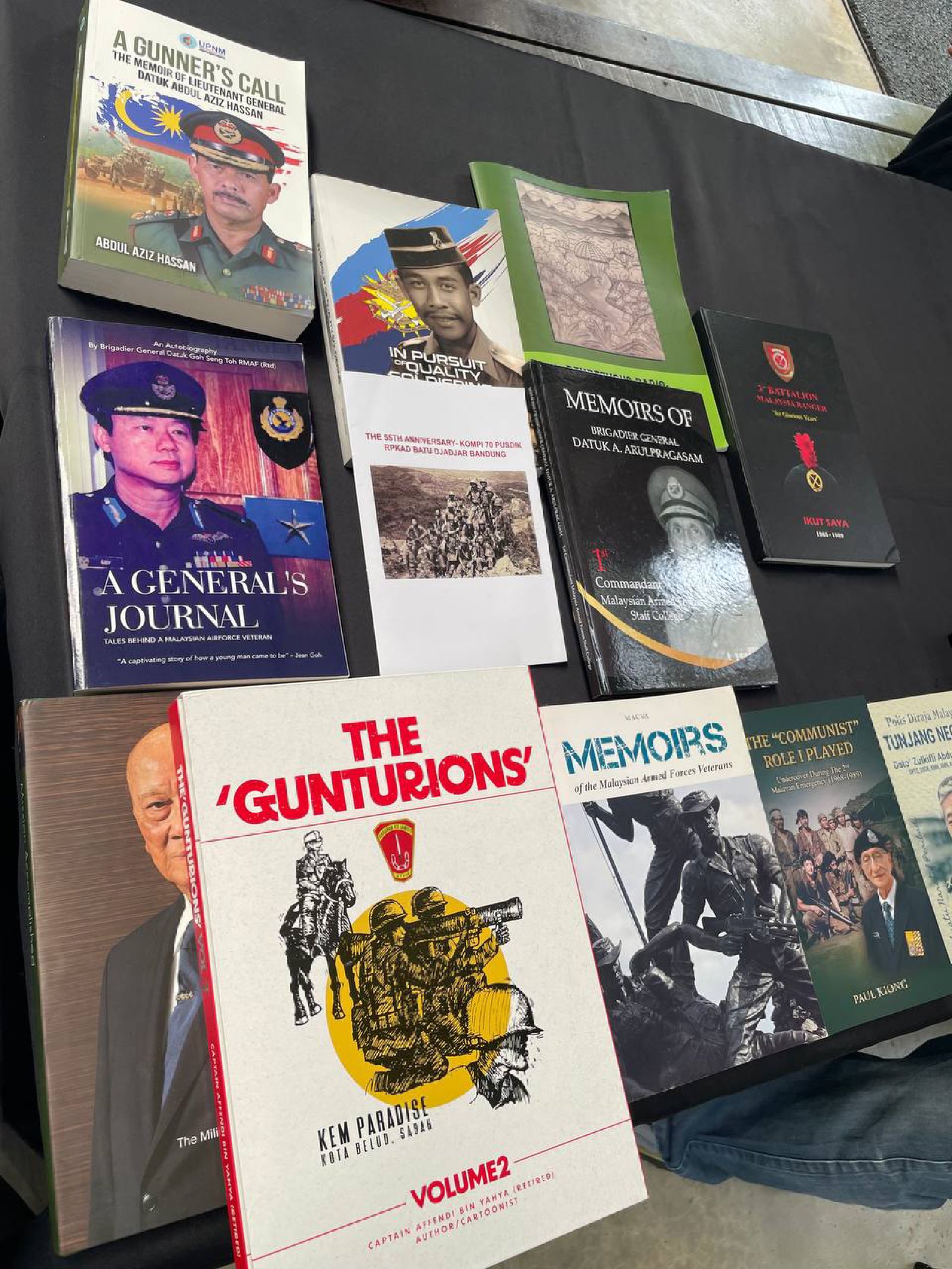
- The "Communist" Role I Played: Undercover During the 2nd Malayan Emergency (1968–1989) oral history

Teaching
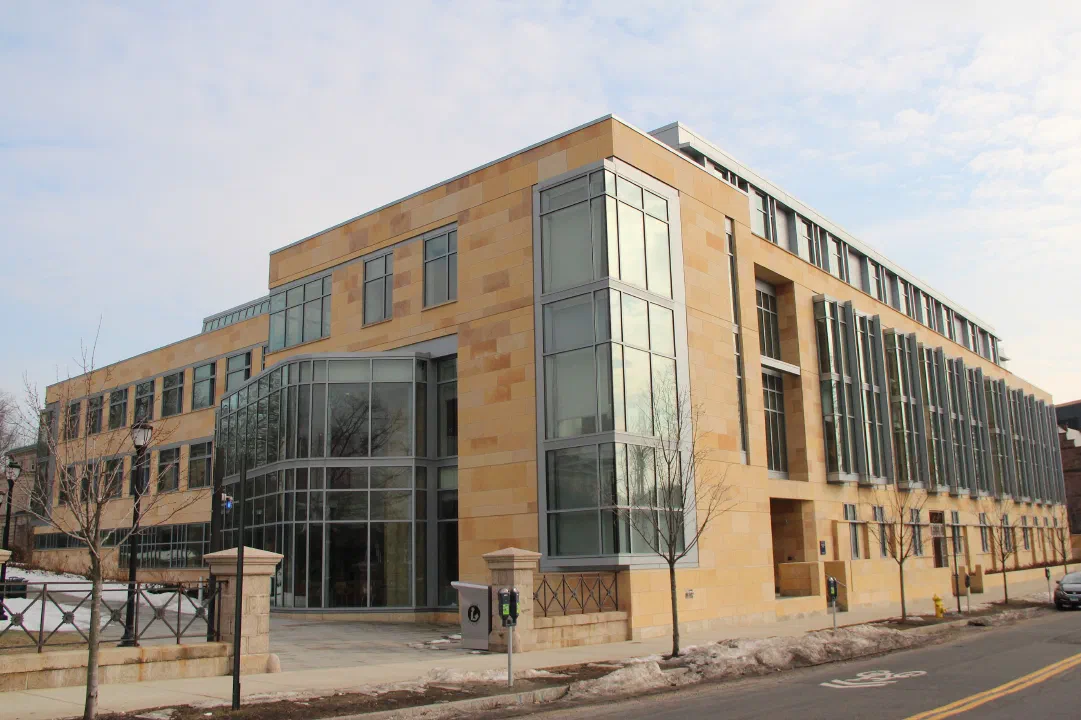
At Yale and the National University of Singapore, I’ve taught classes in comparative politics, international relations, Southeast Asia, and mixed methods. As an alumnus of the Bridging the Gap Project workshop and MIT Security Studies Program Wargaming Lab Summer Institute, I seek to connect research with policy in my lessons. Please feel free to contact me for teaching materials and the complete set of evaluations.
- Immigration Undergraduate
- Government and Politics in Africa Undergraduate
- Comparative Politics: States, Regimes, & Conflict Undergraduate
Invited Talks
- Guest Lecturer, "Strange Parallels: Ethnic Politics & Authoritarianism in Malaysia & Singapore" Undergraduate
- Guest Lecturer, "Interview Methods in Political Science and Policy Research" Graduate




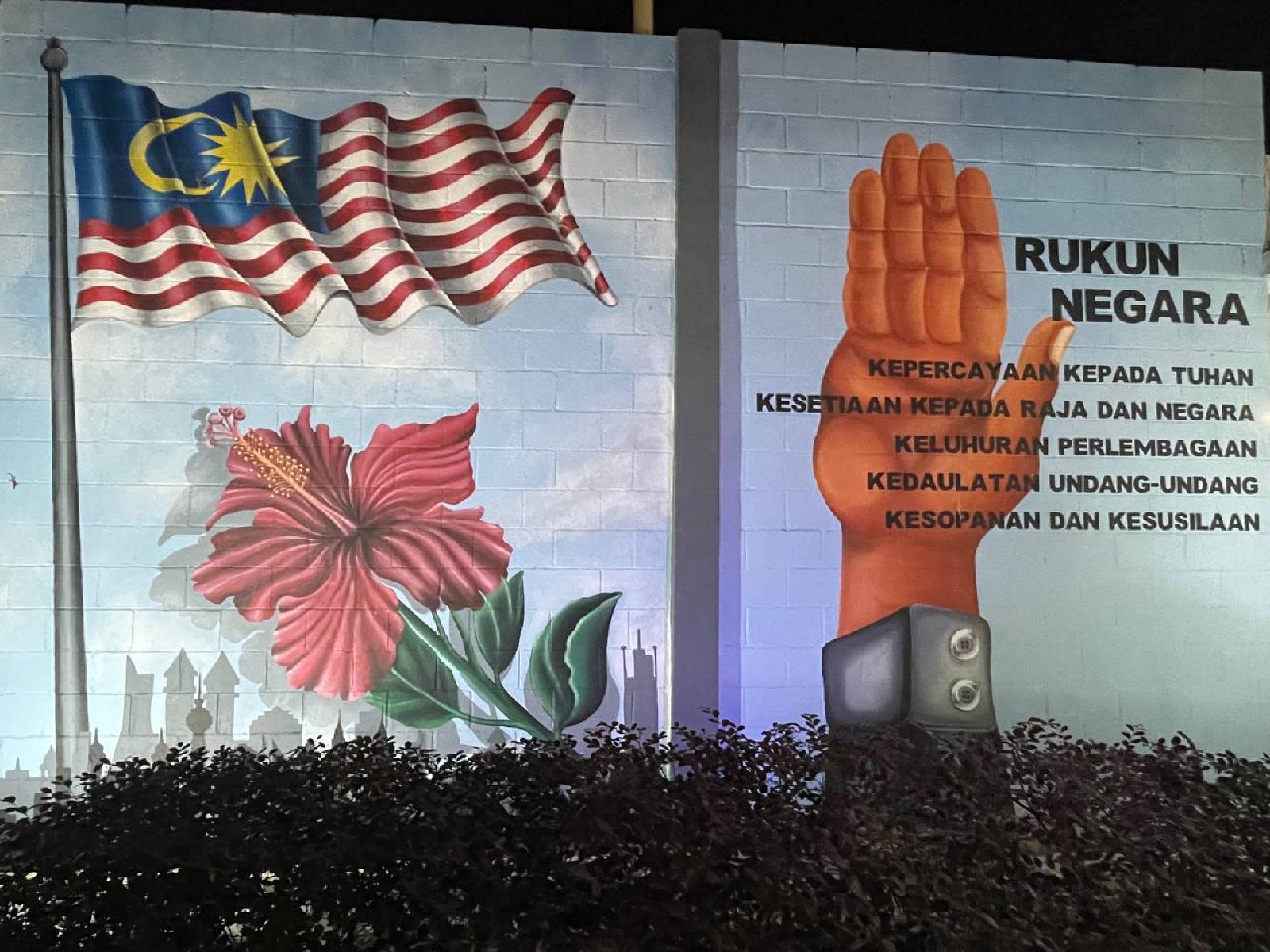
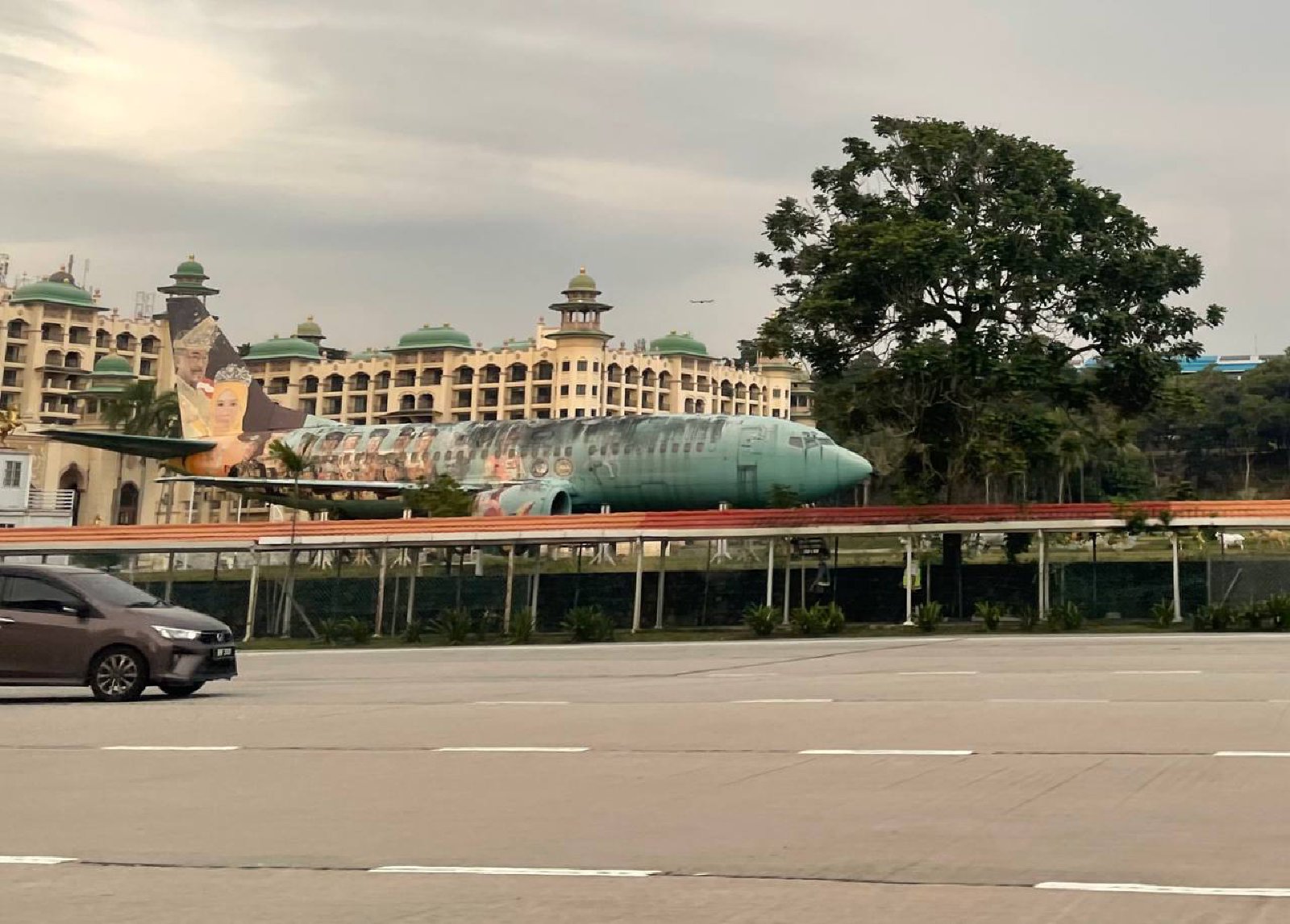
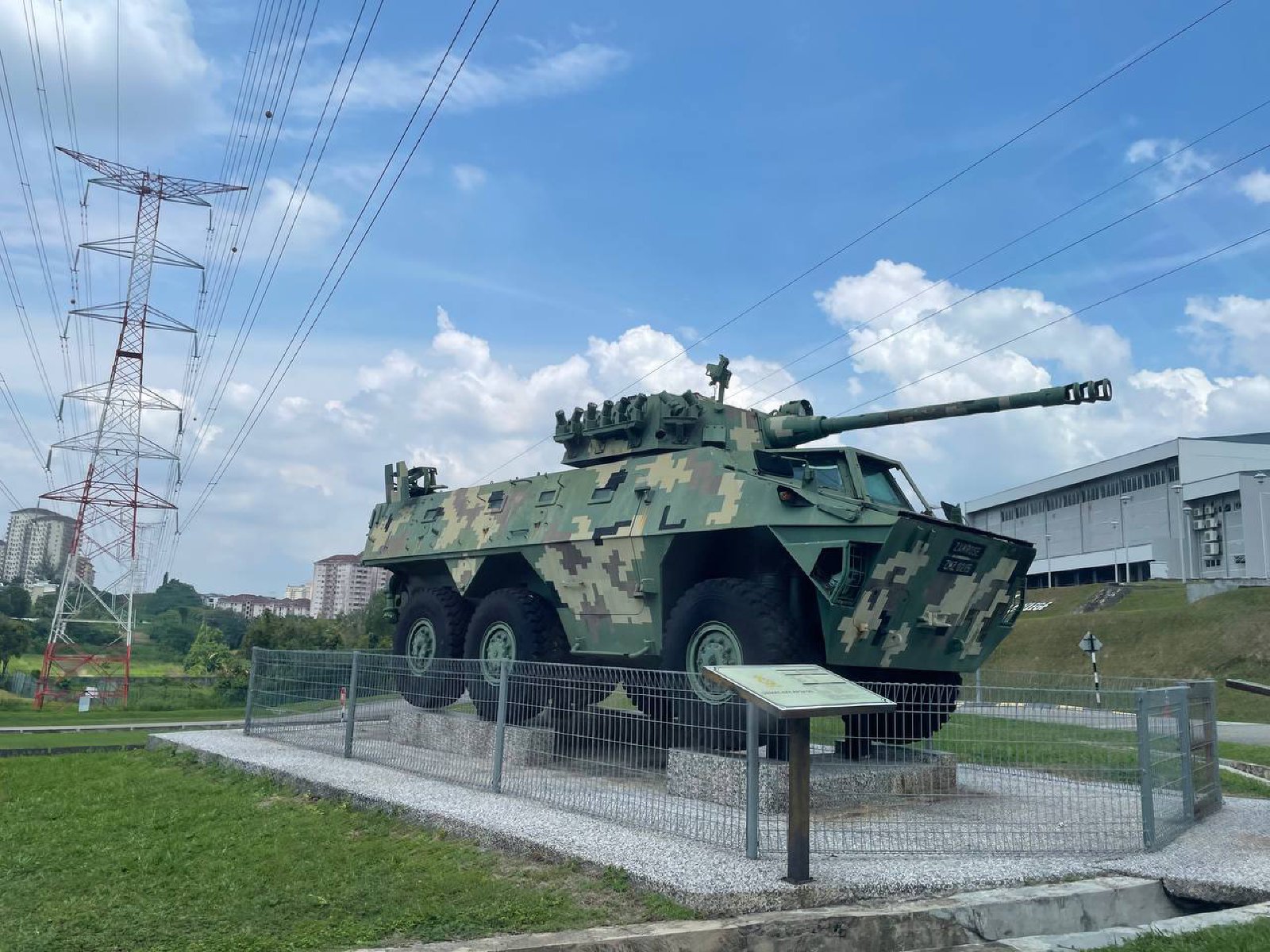
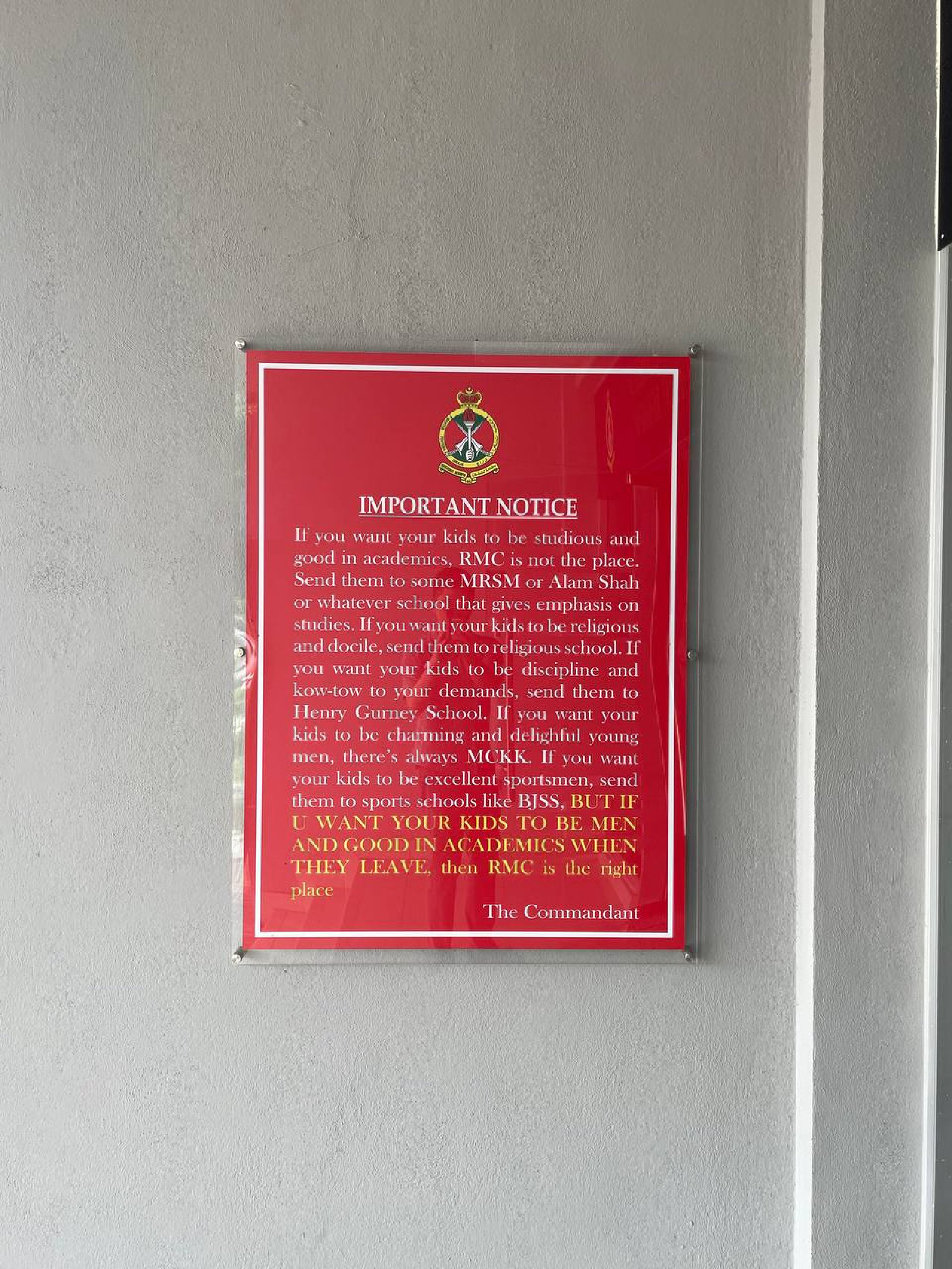
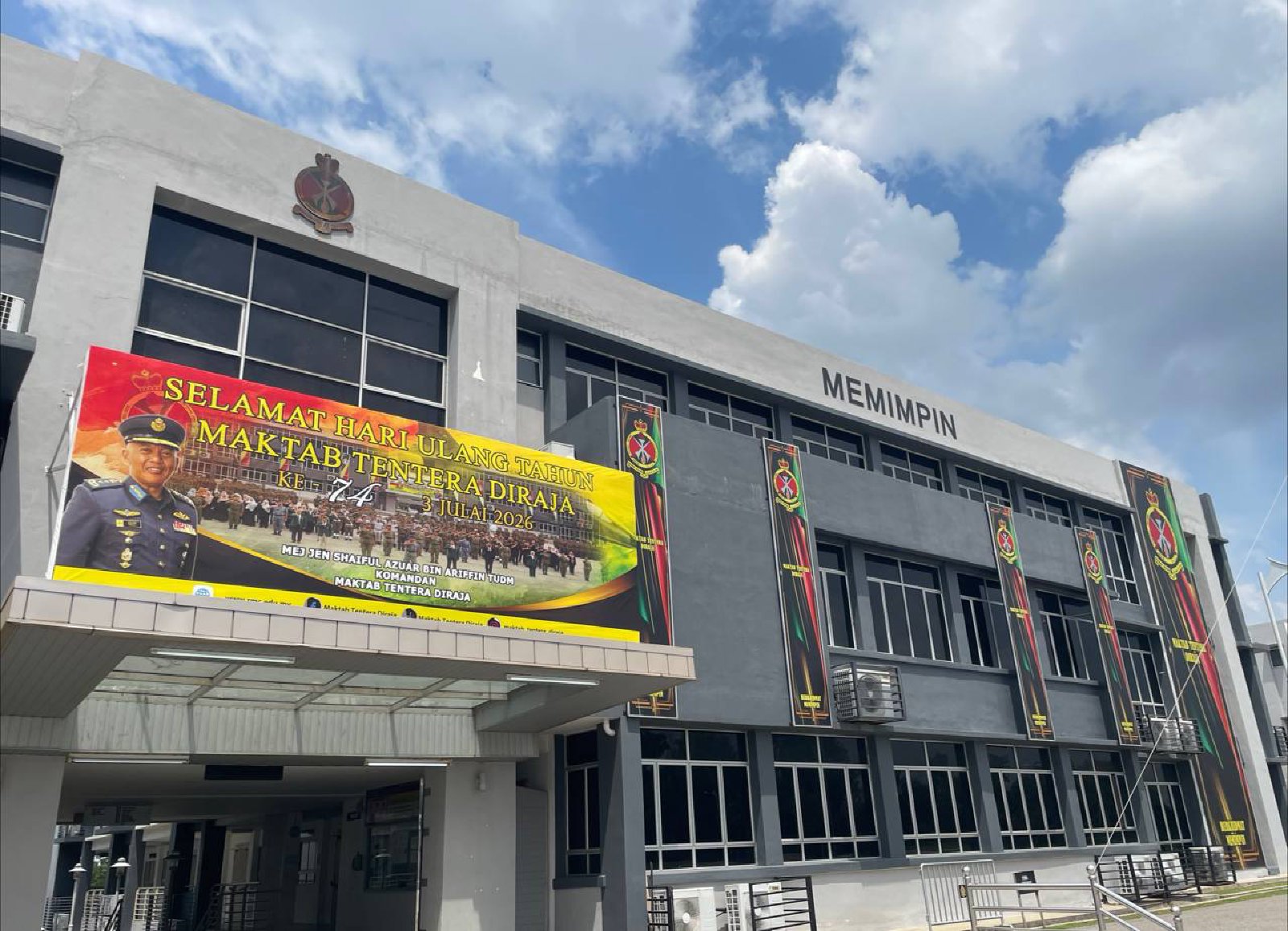
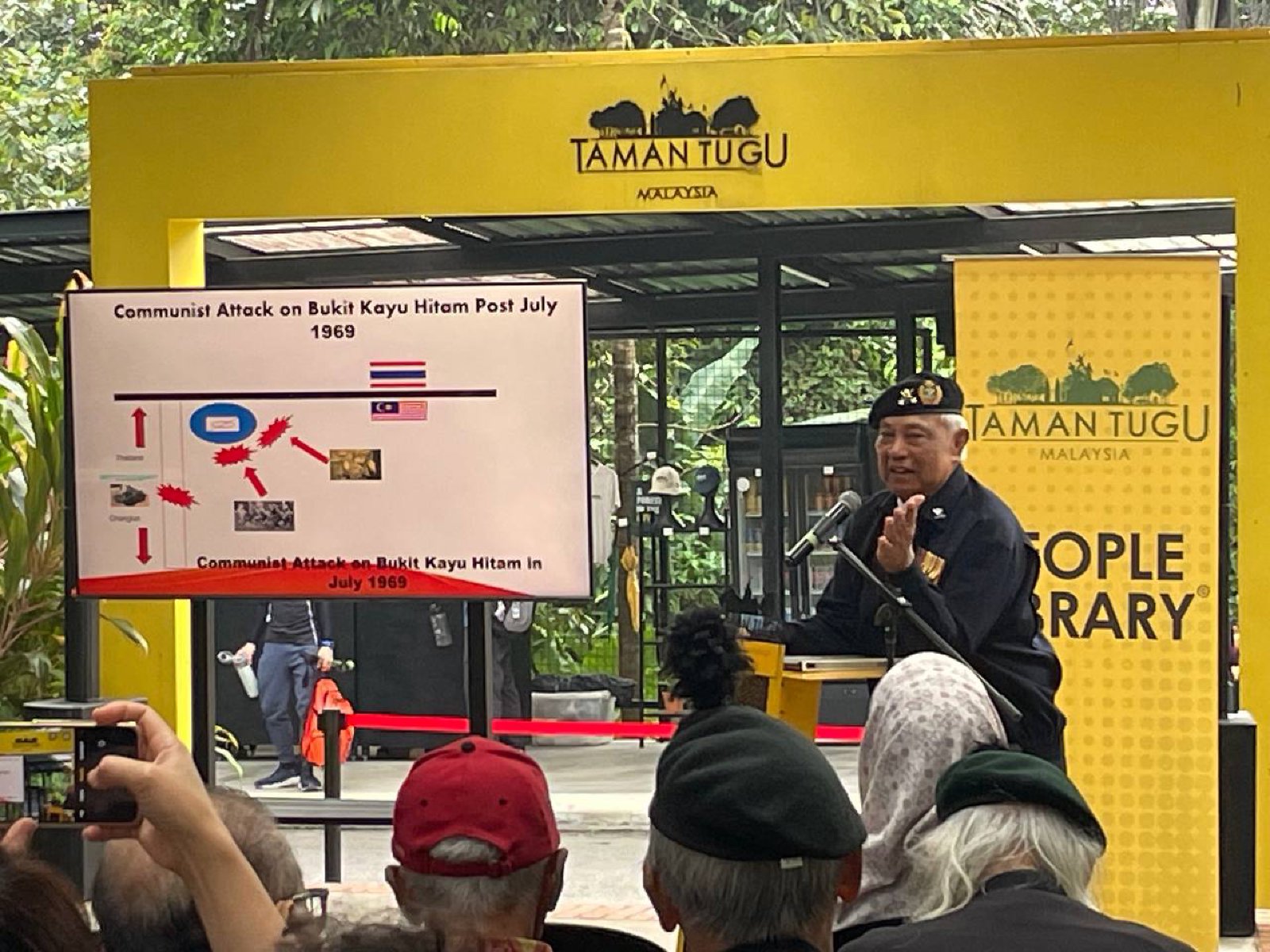
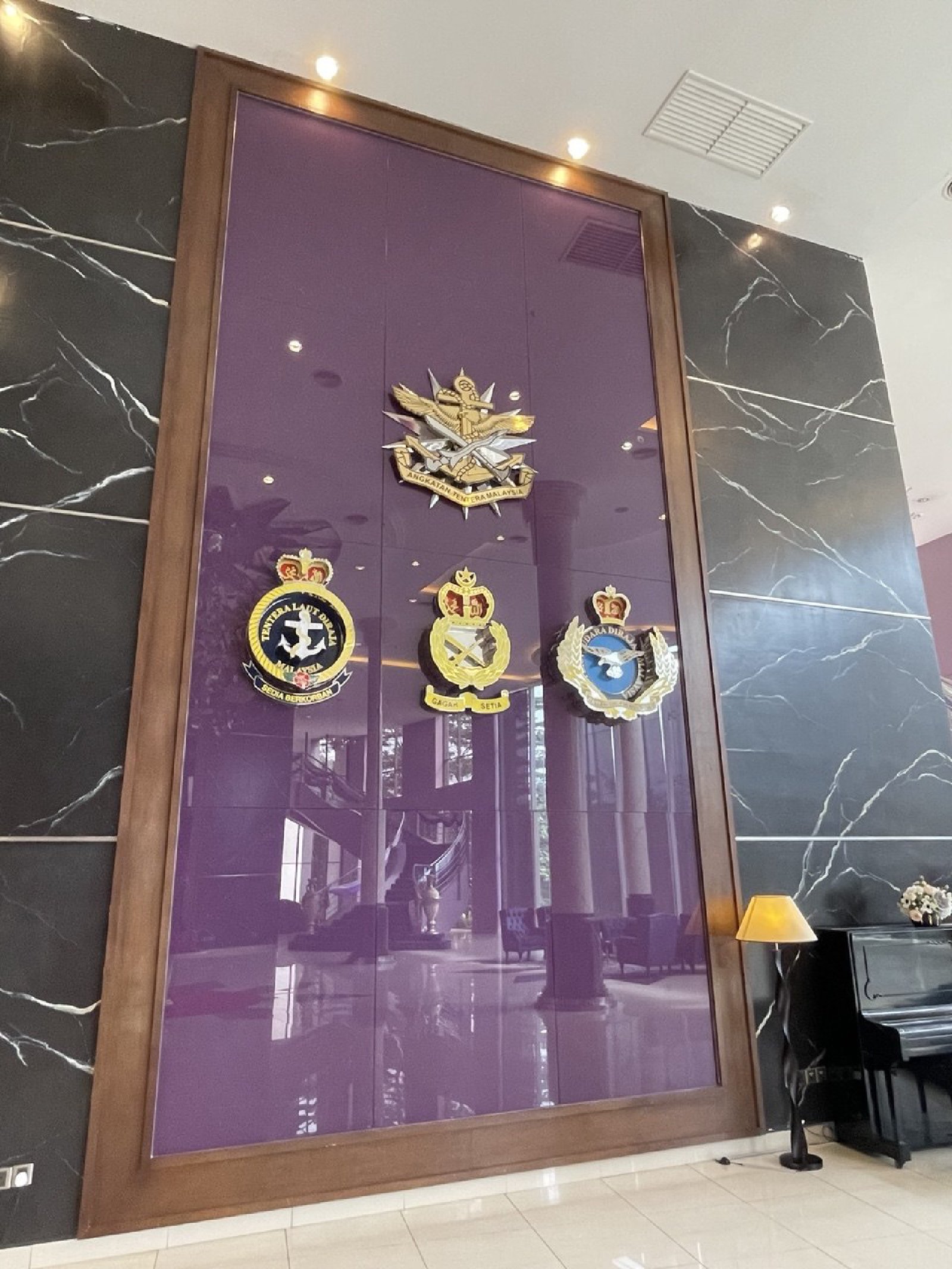
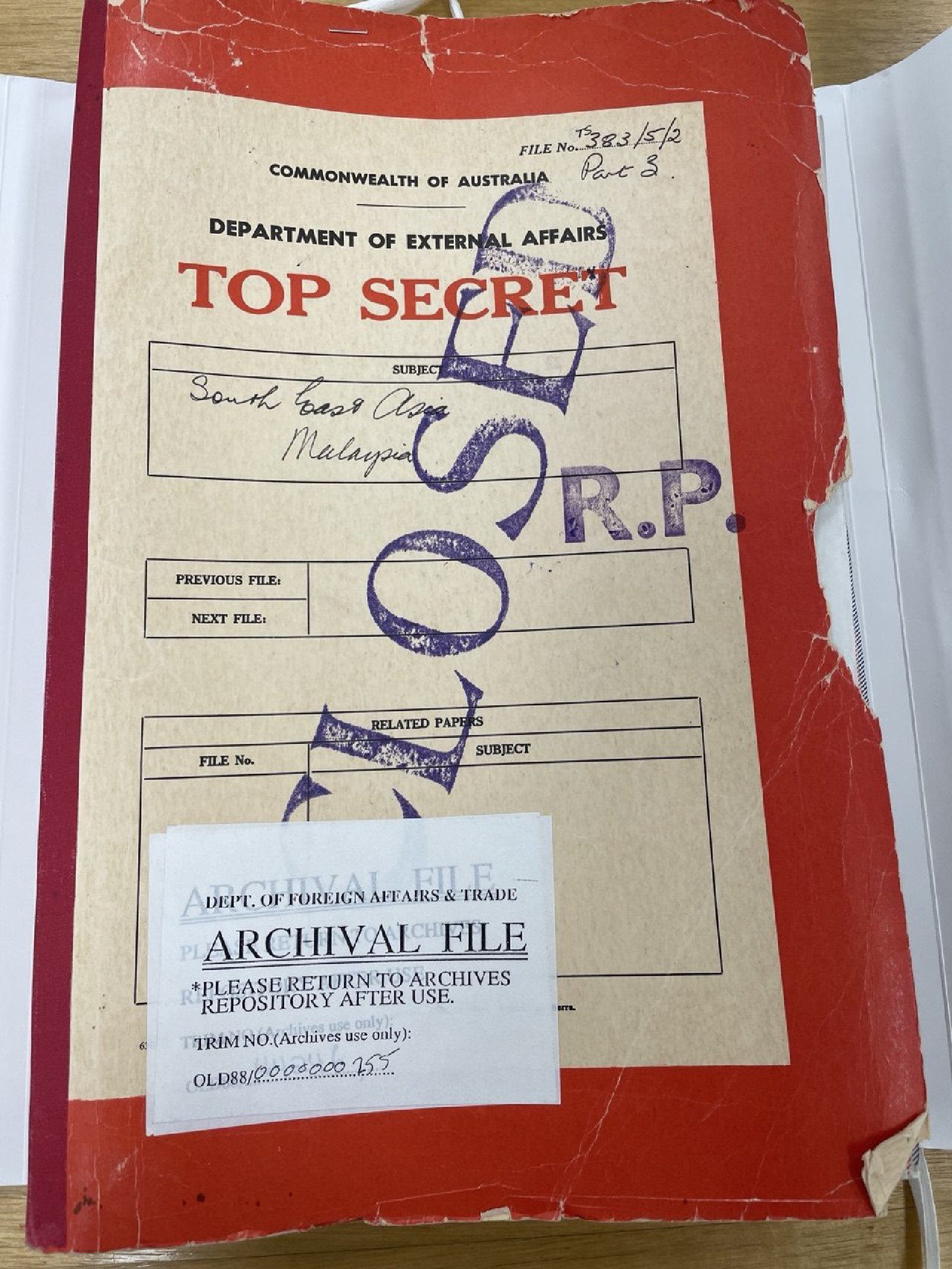
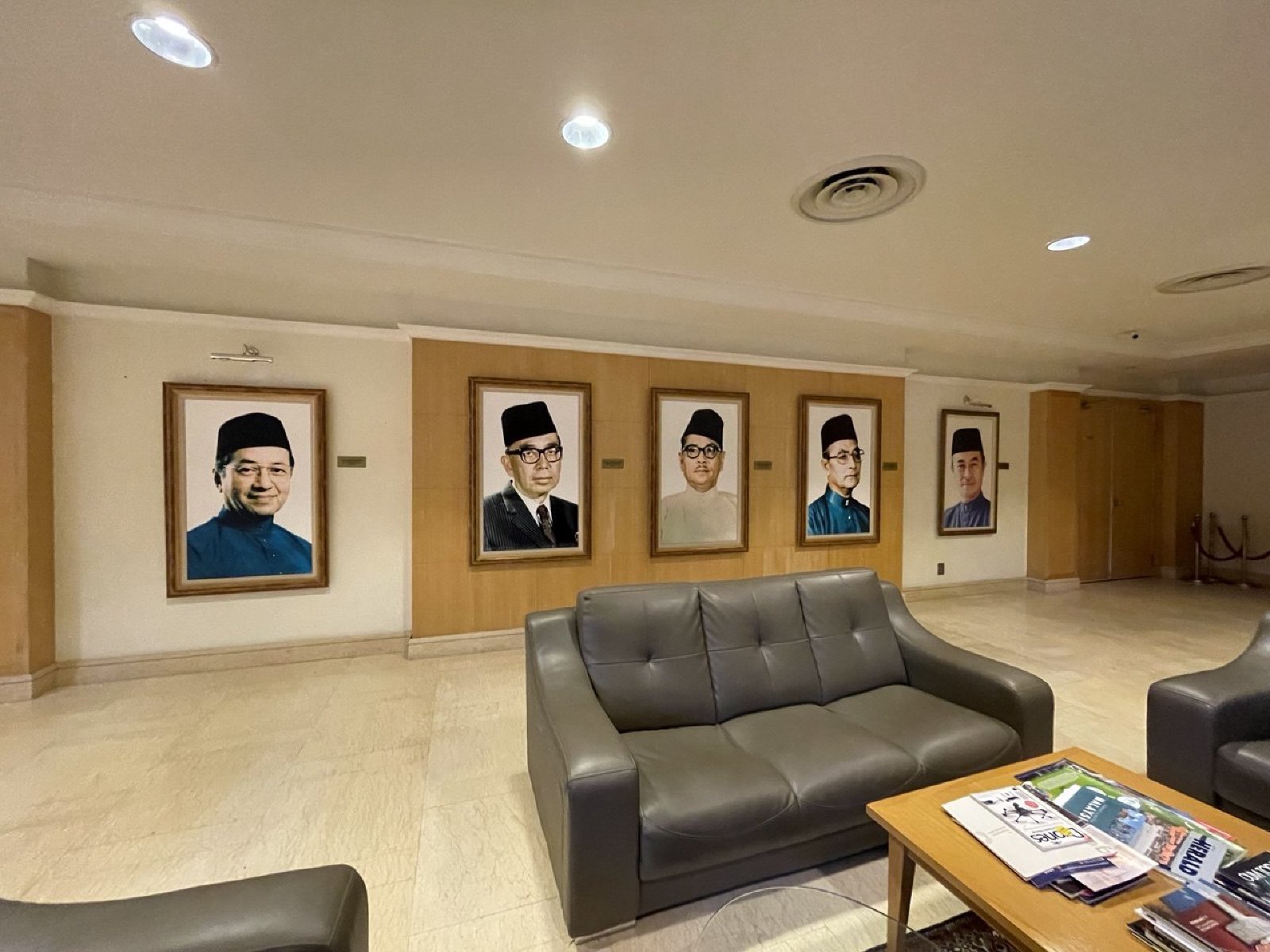
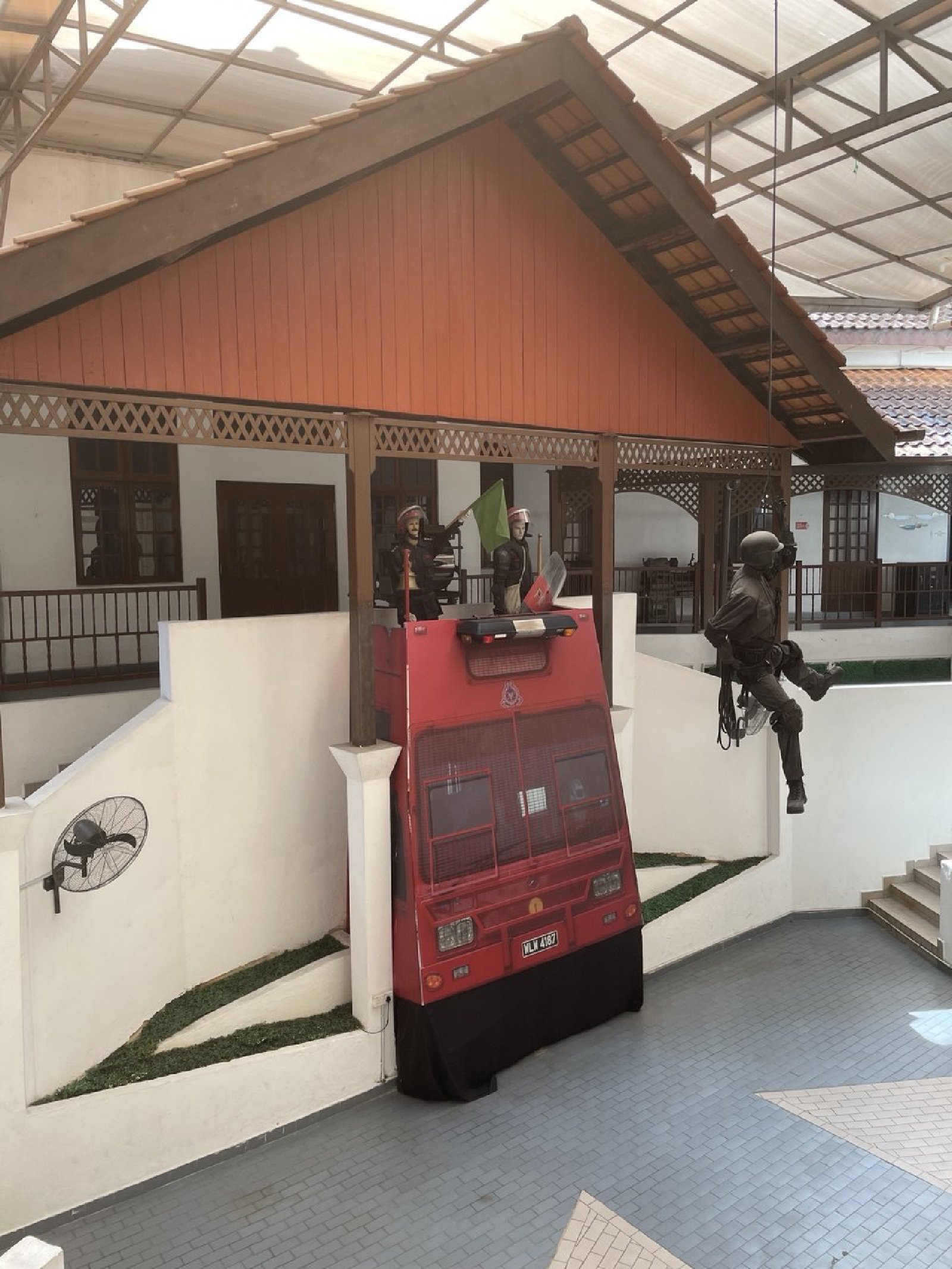
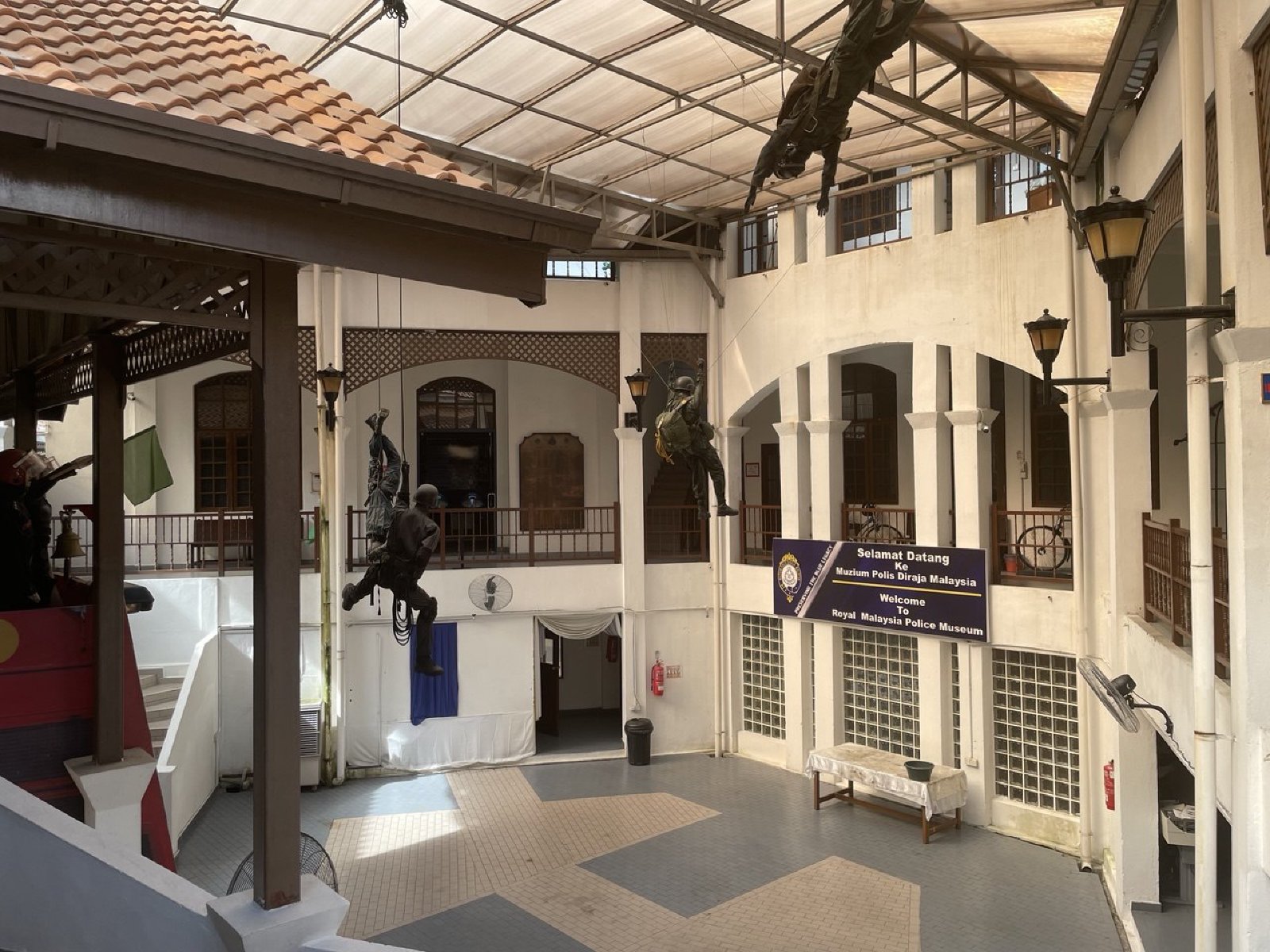
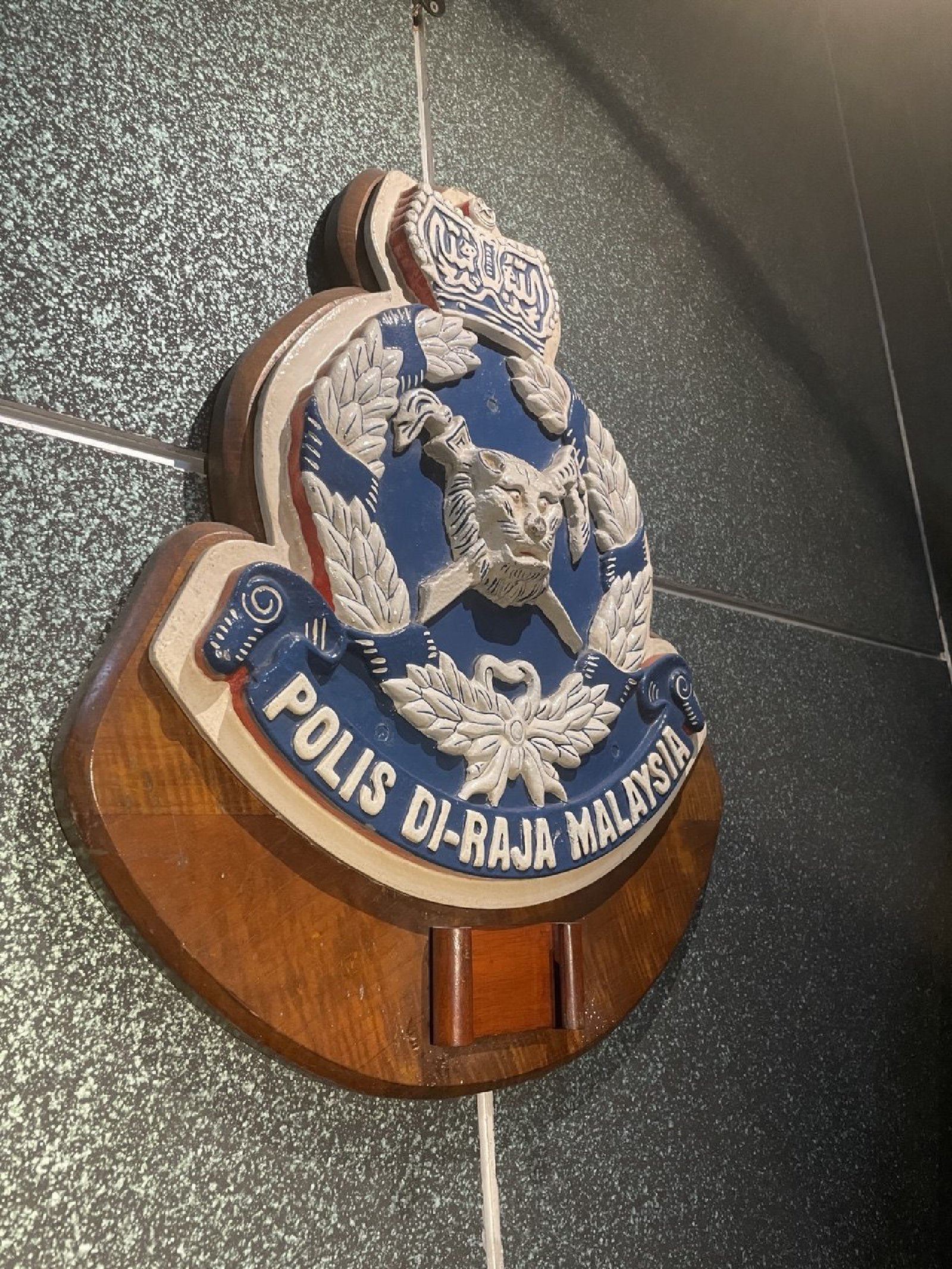
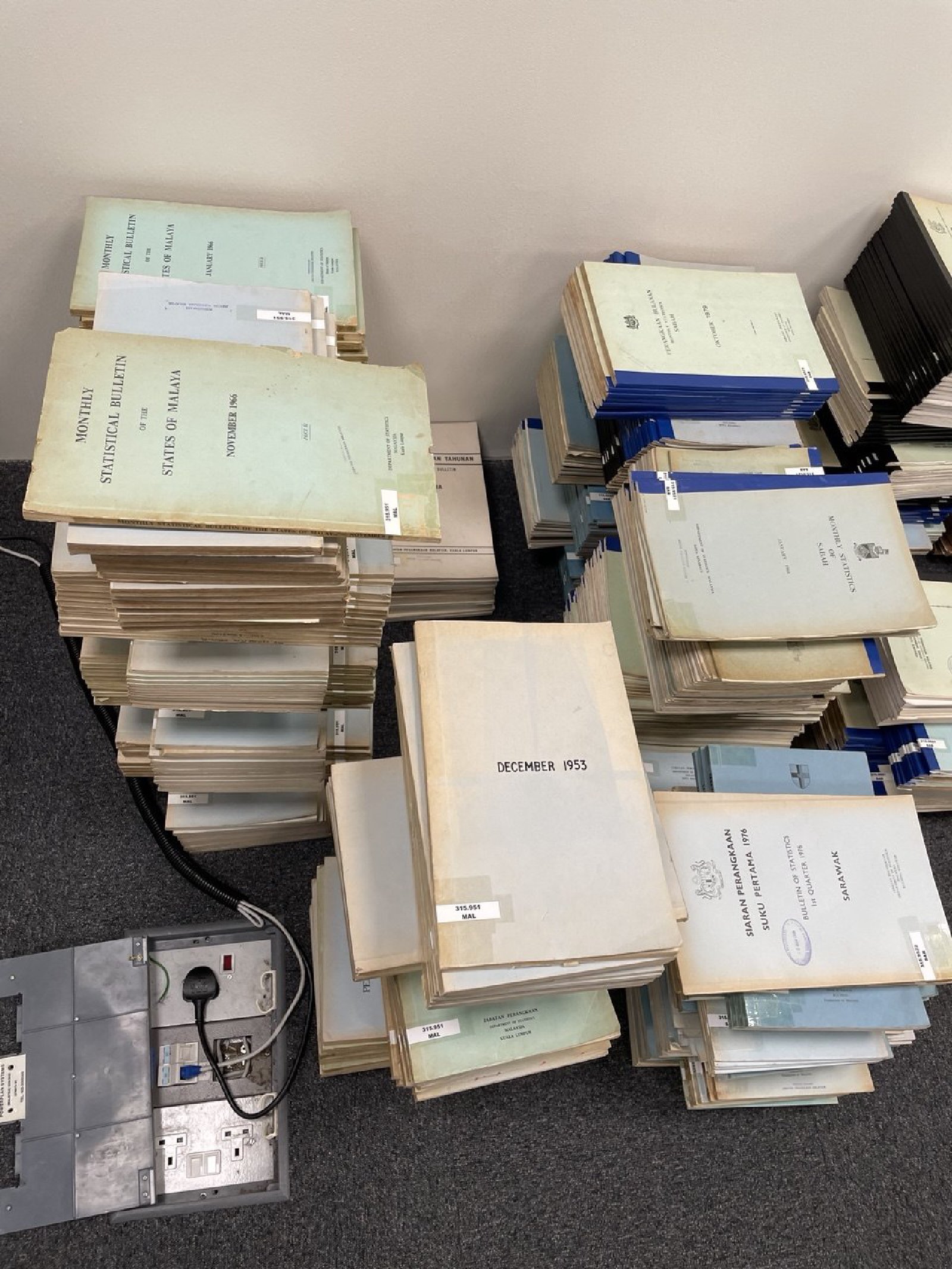
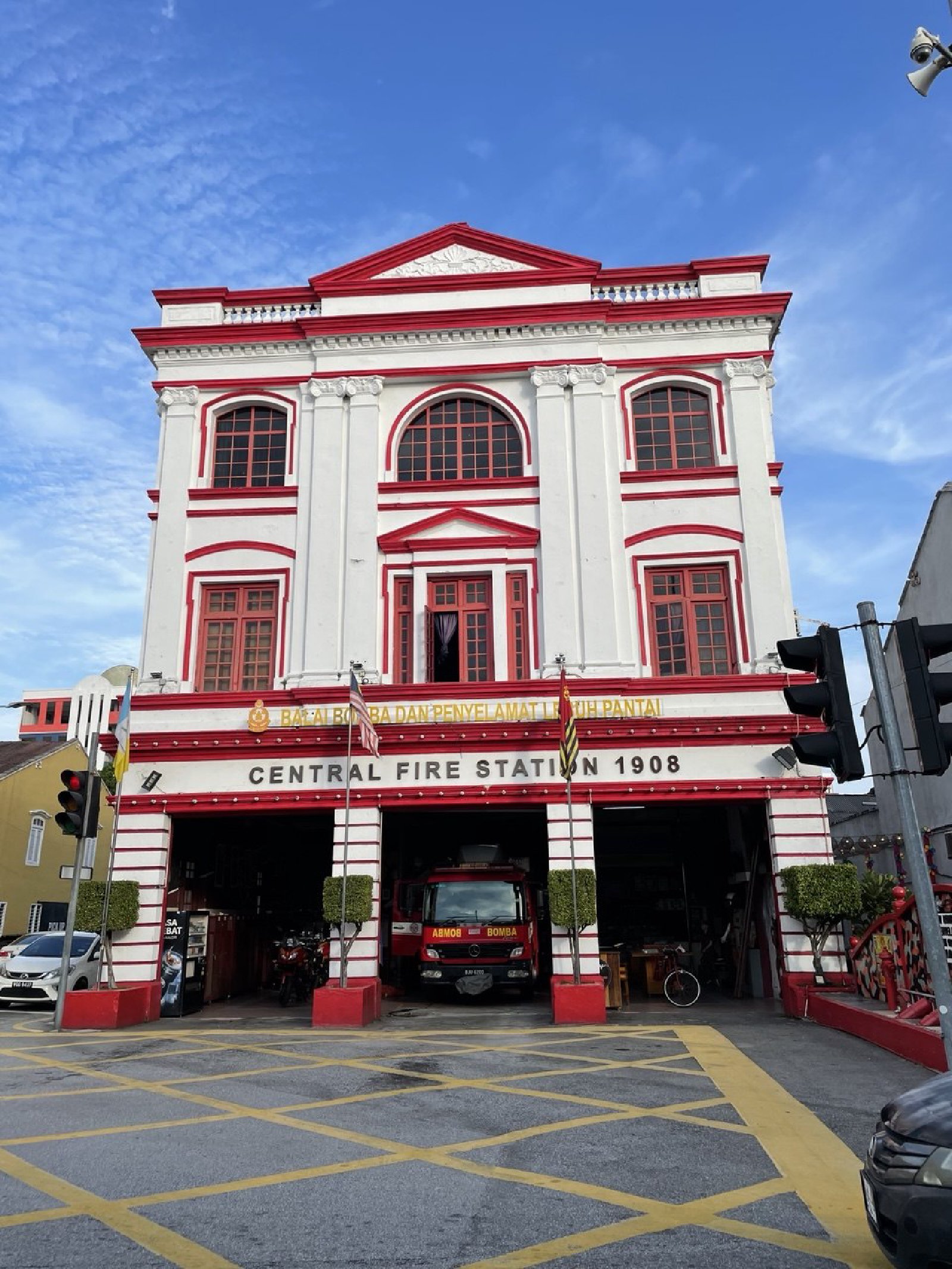
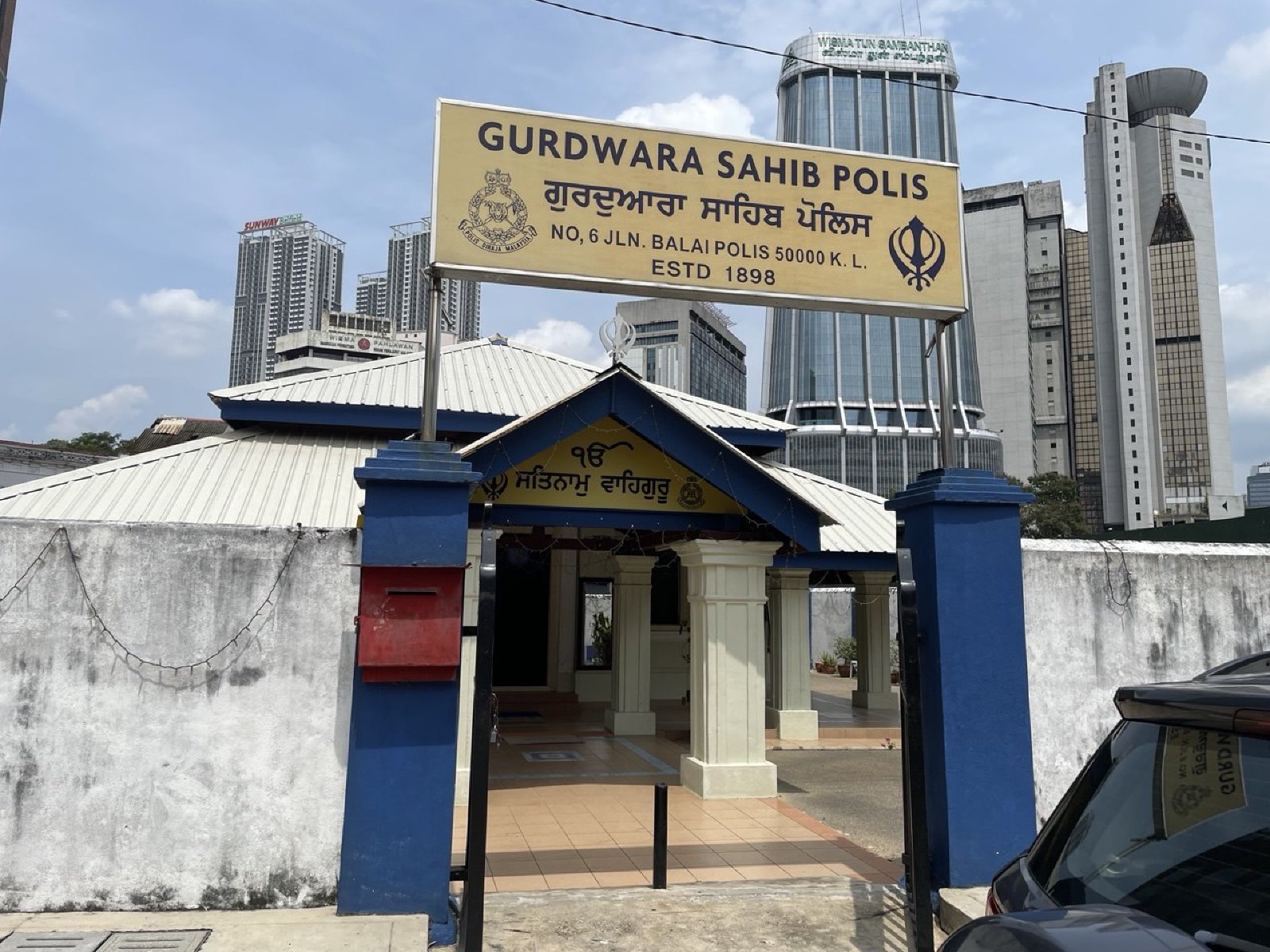
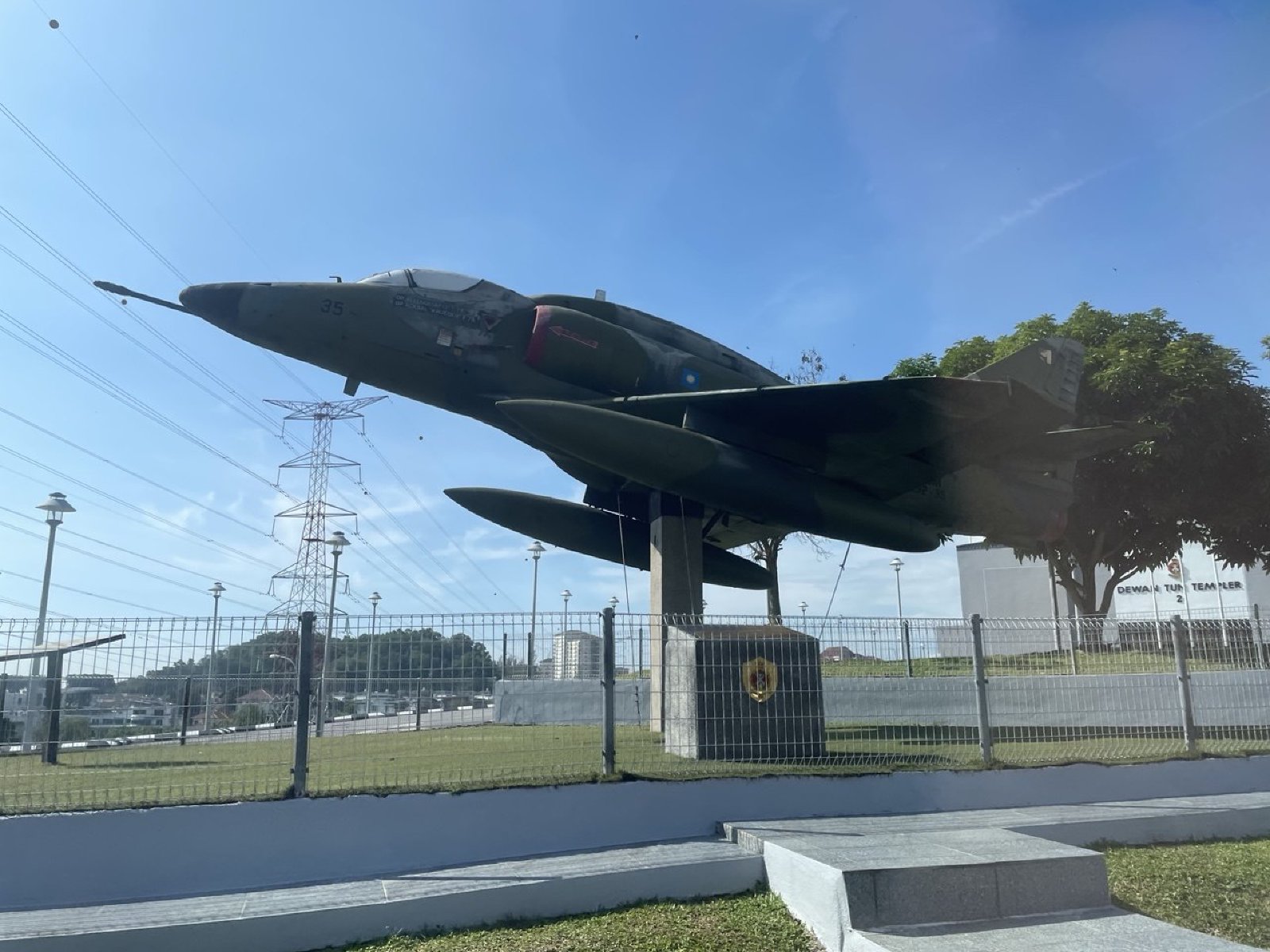
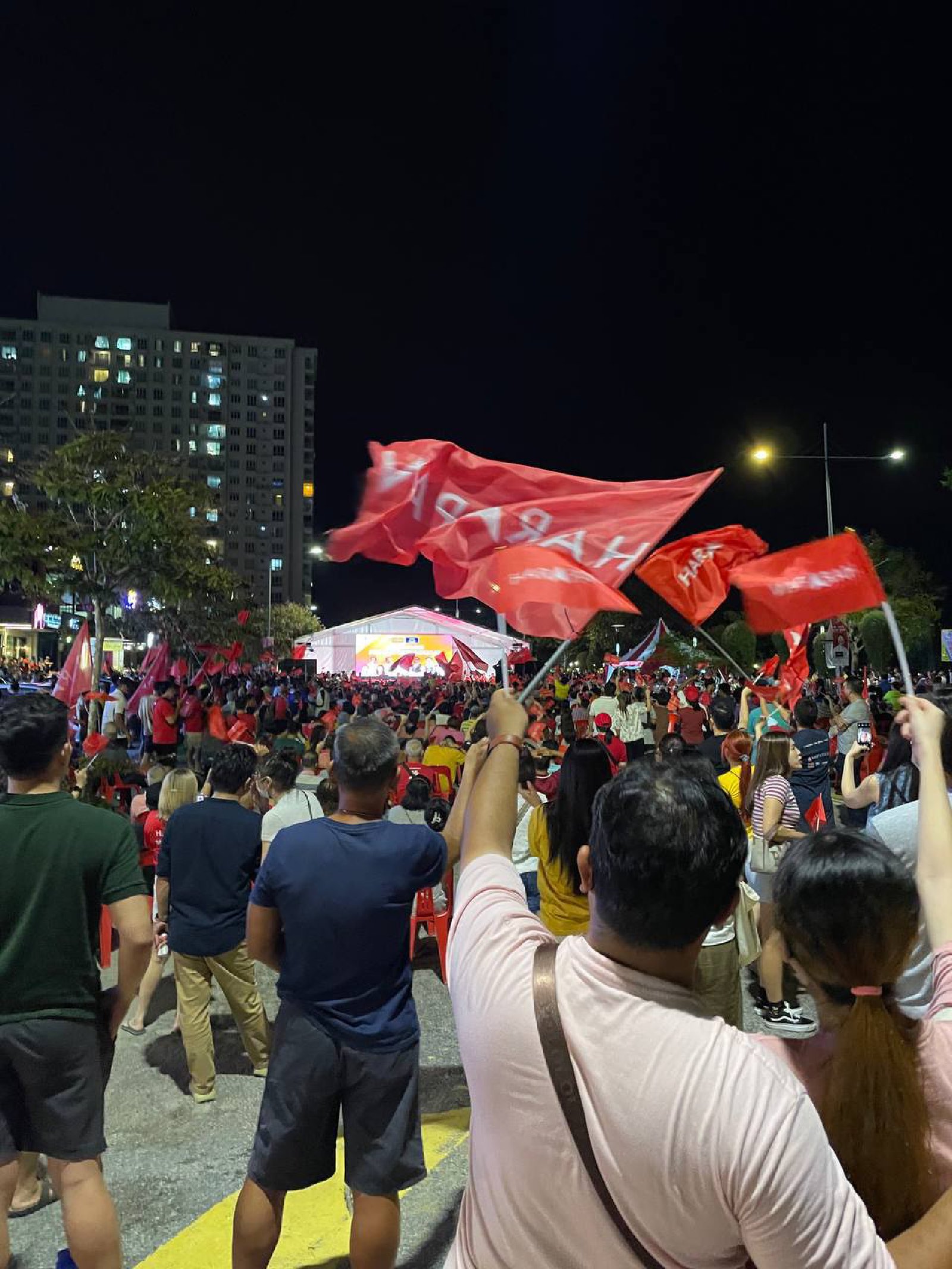
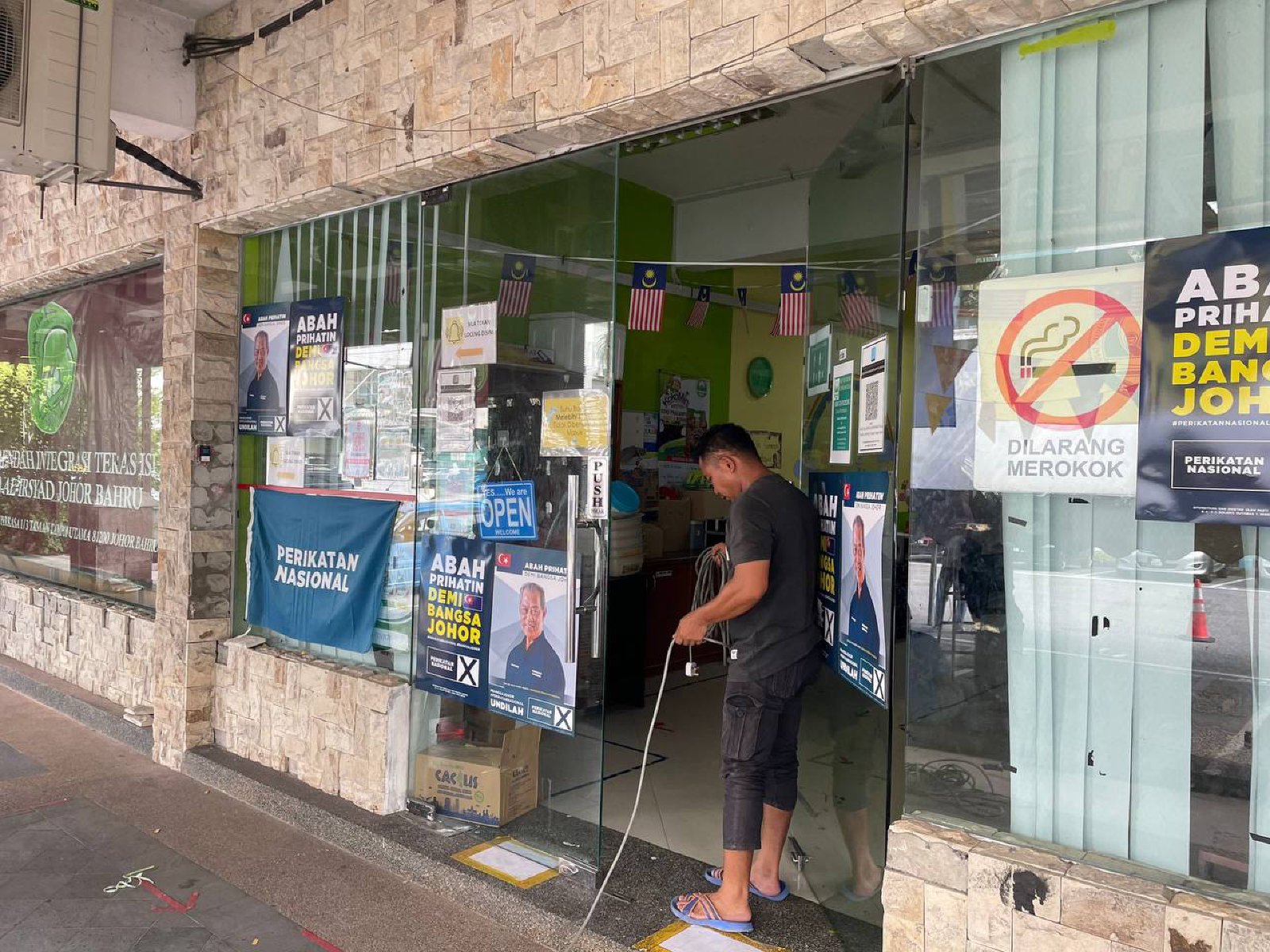
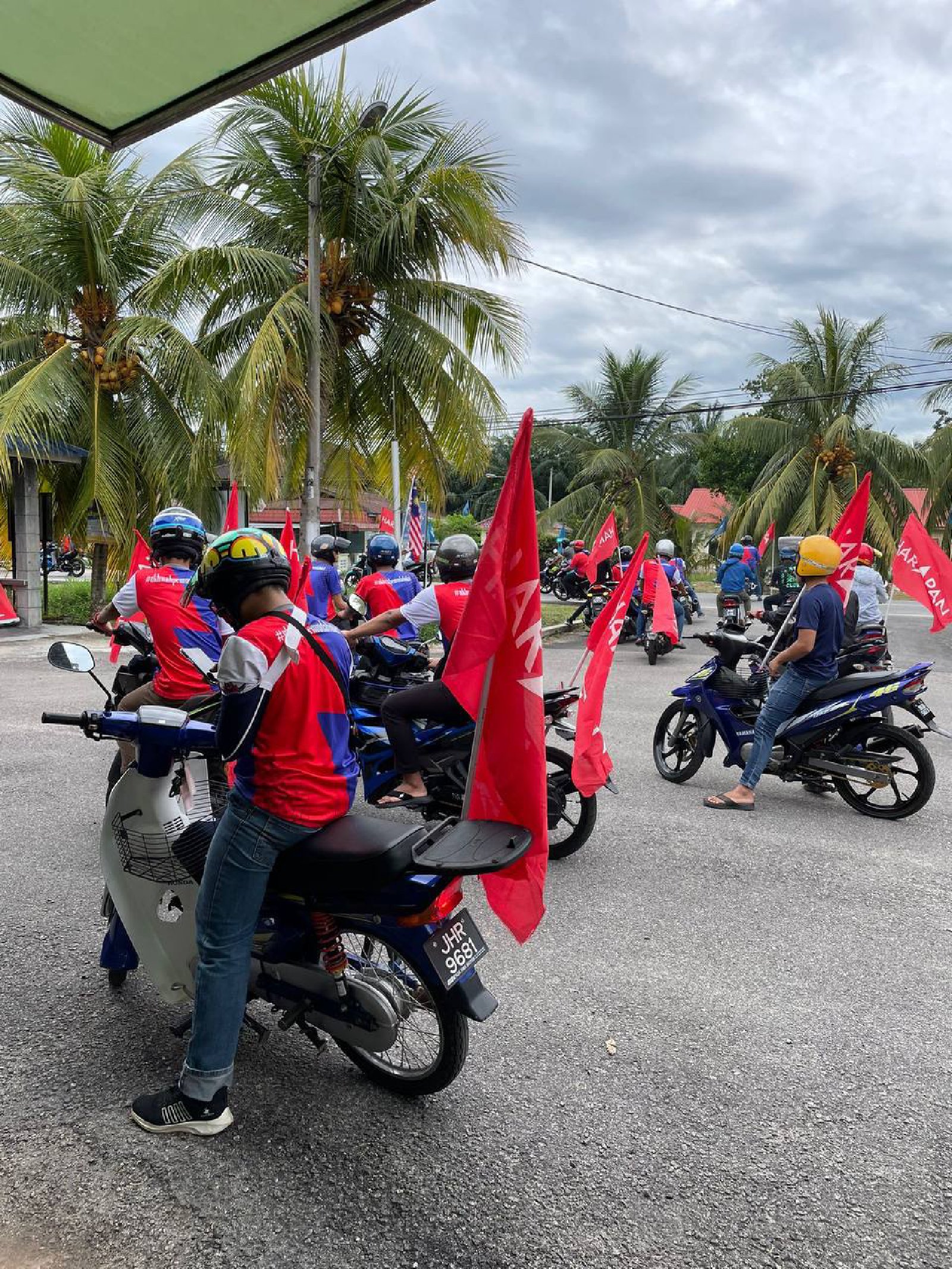
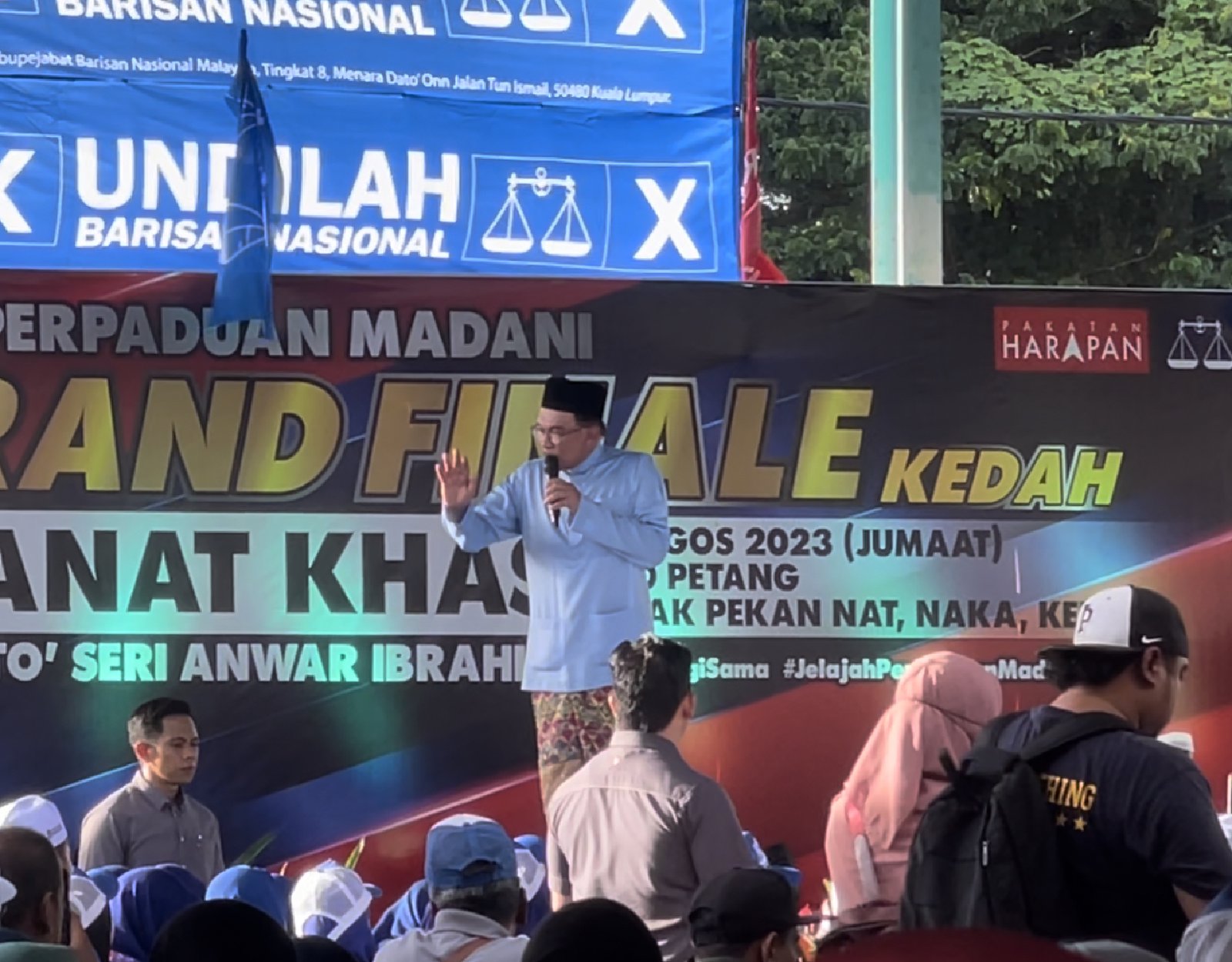
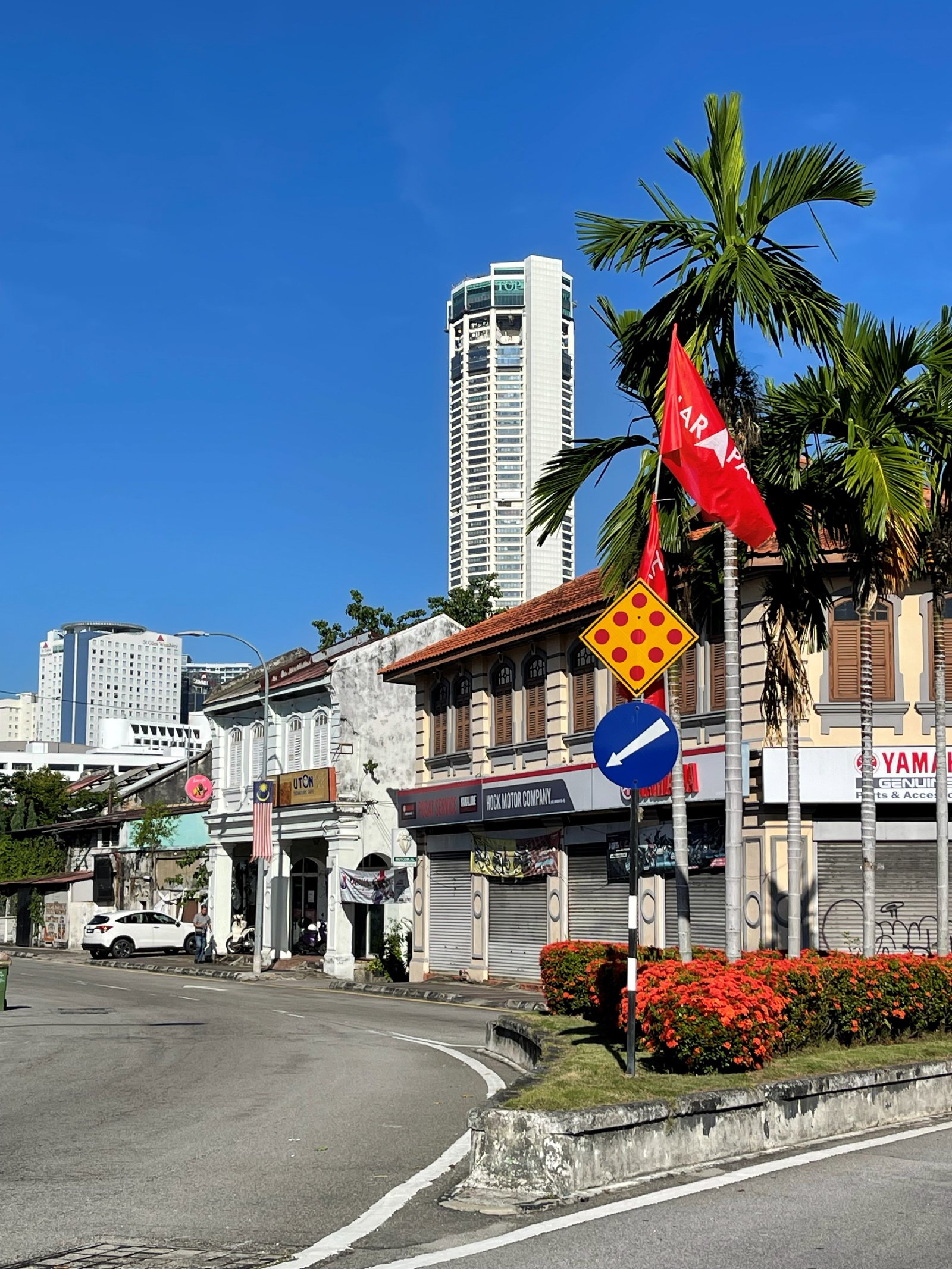
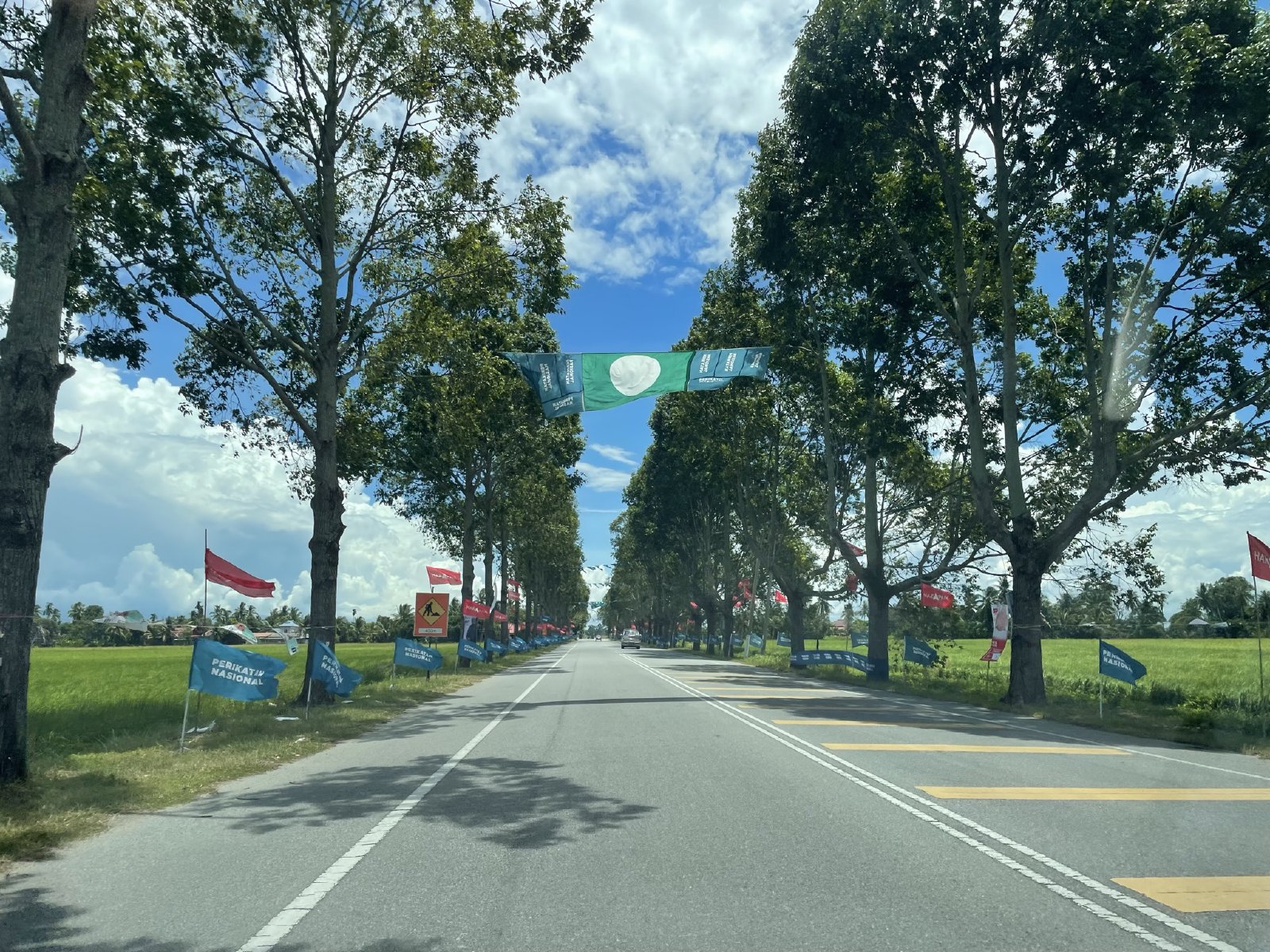
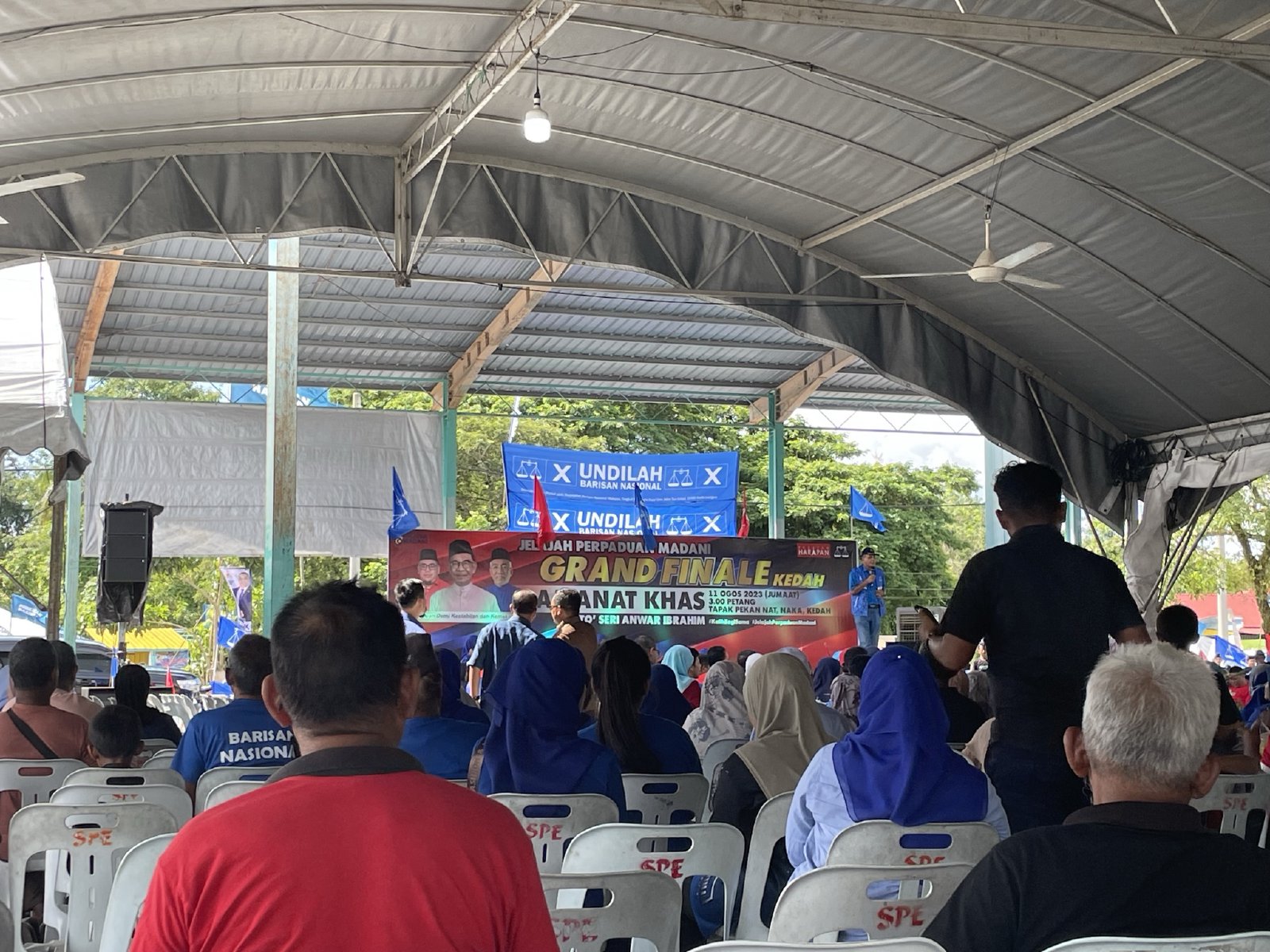
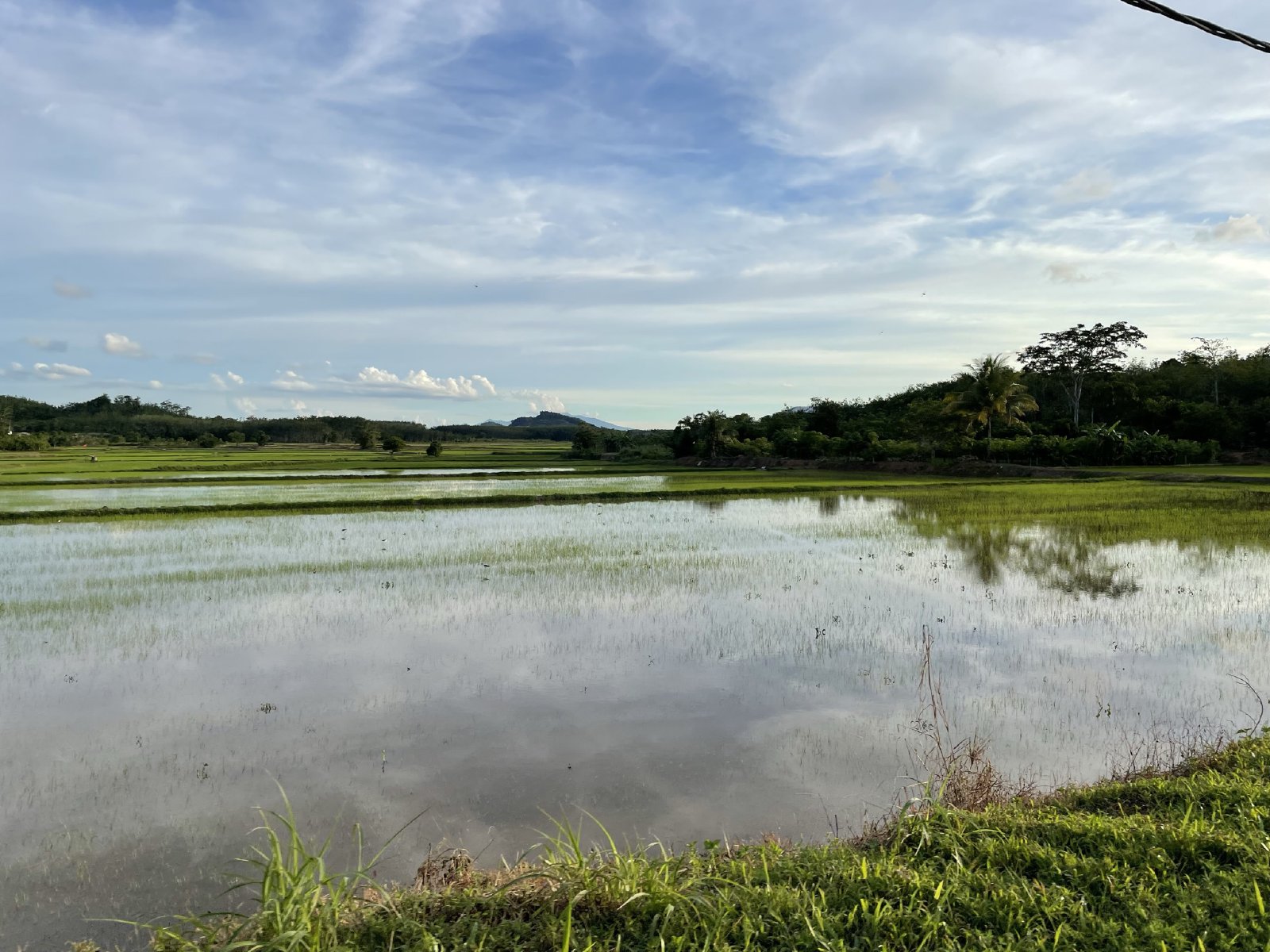
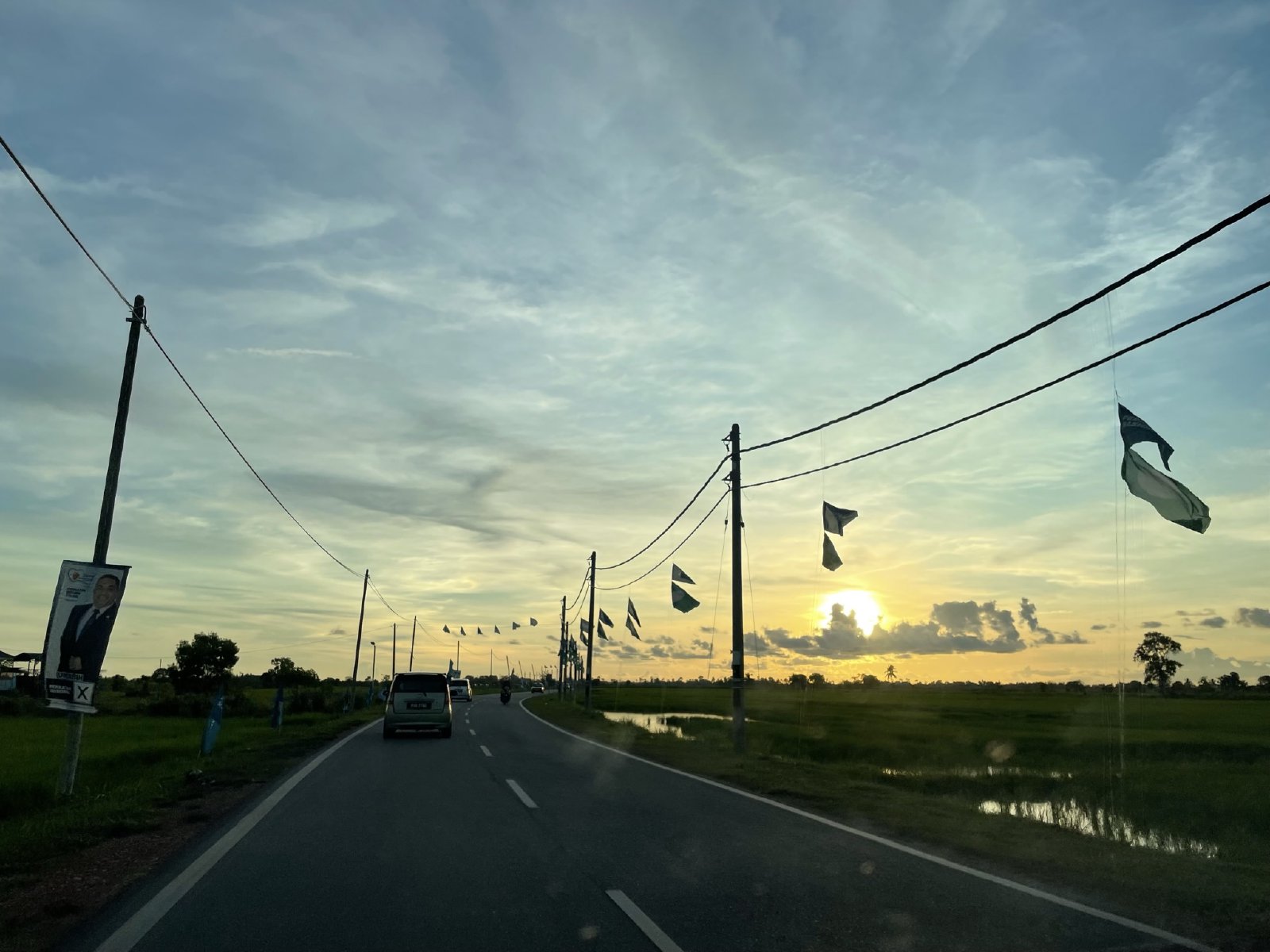
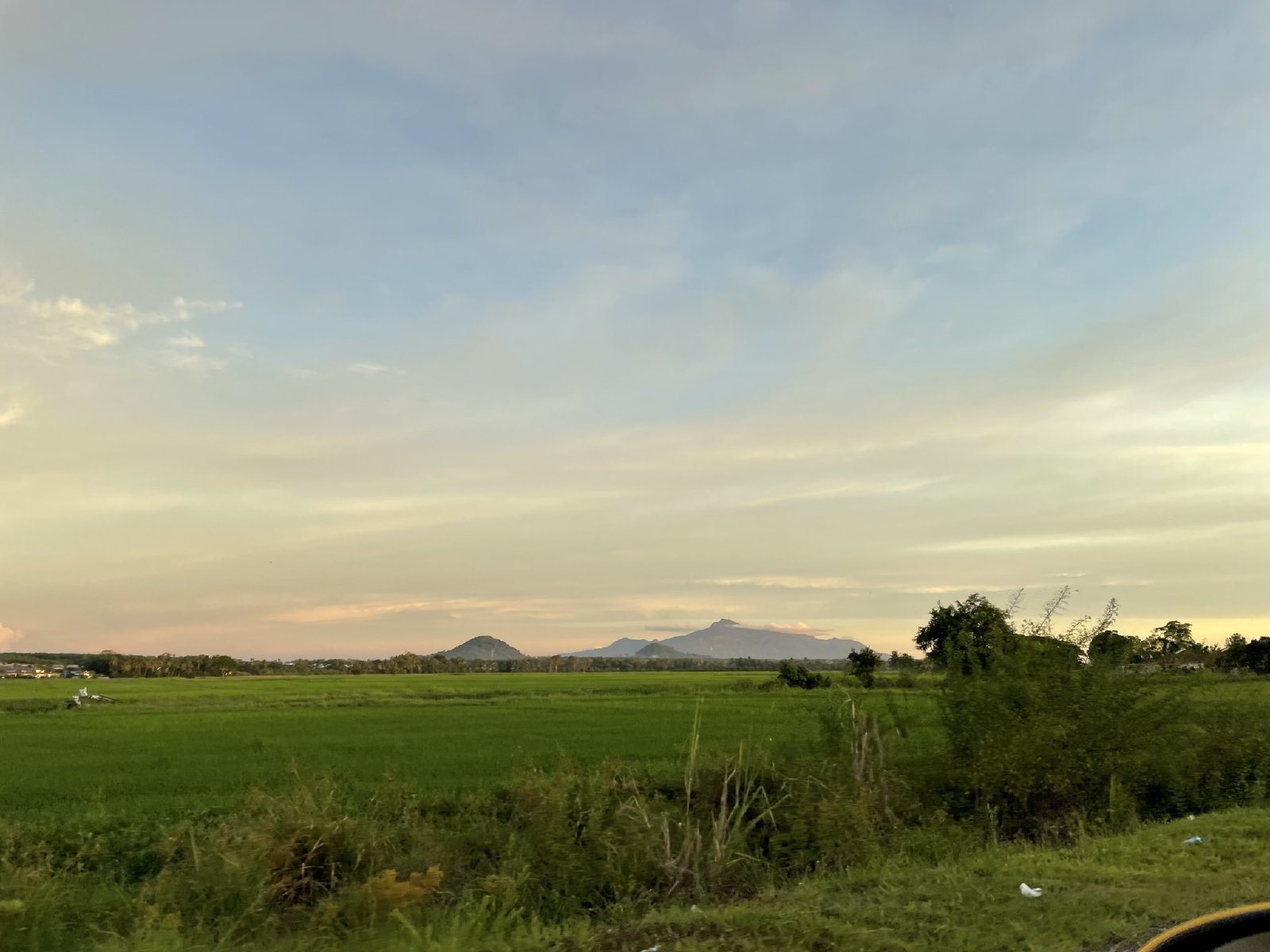
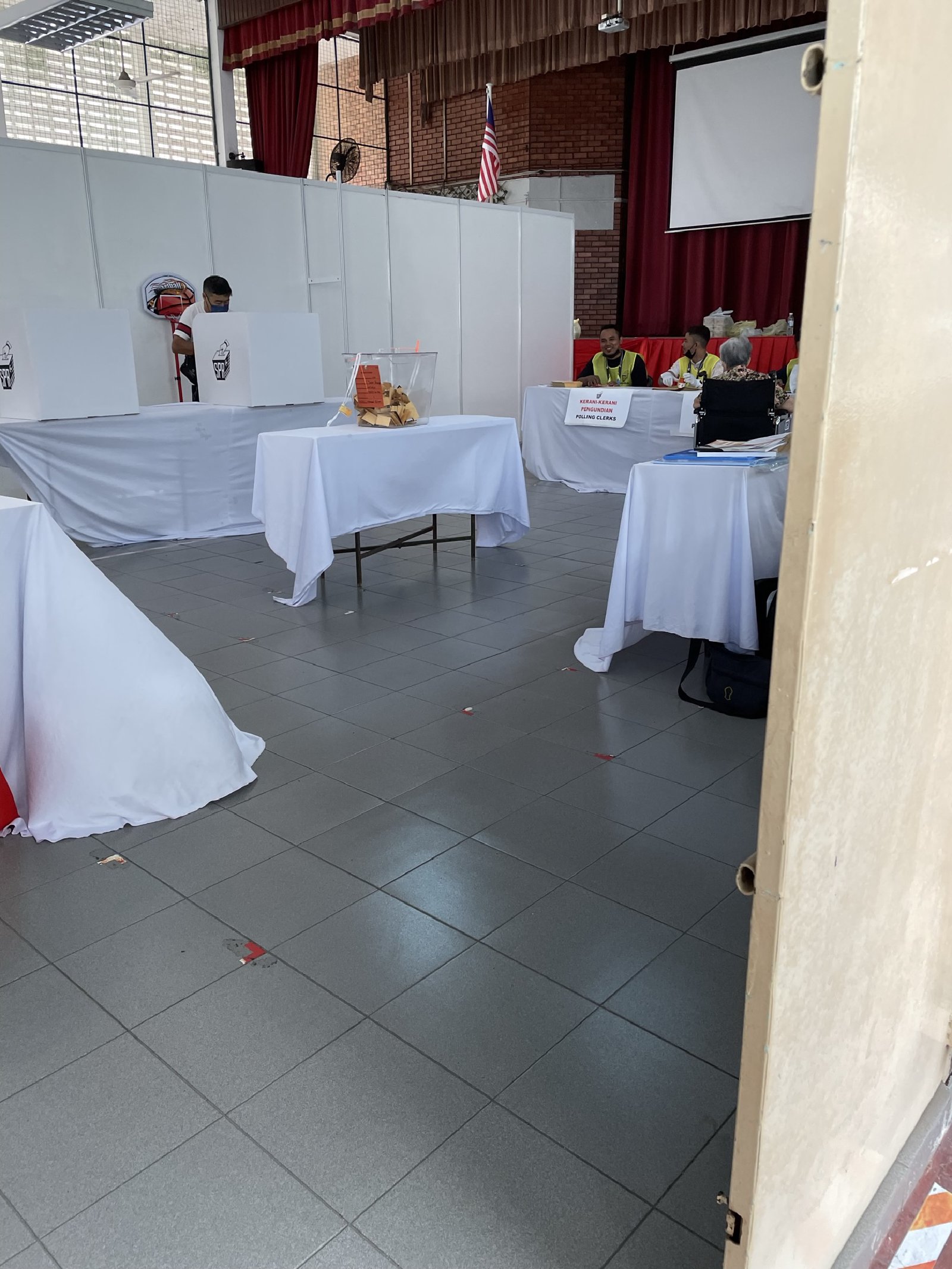
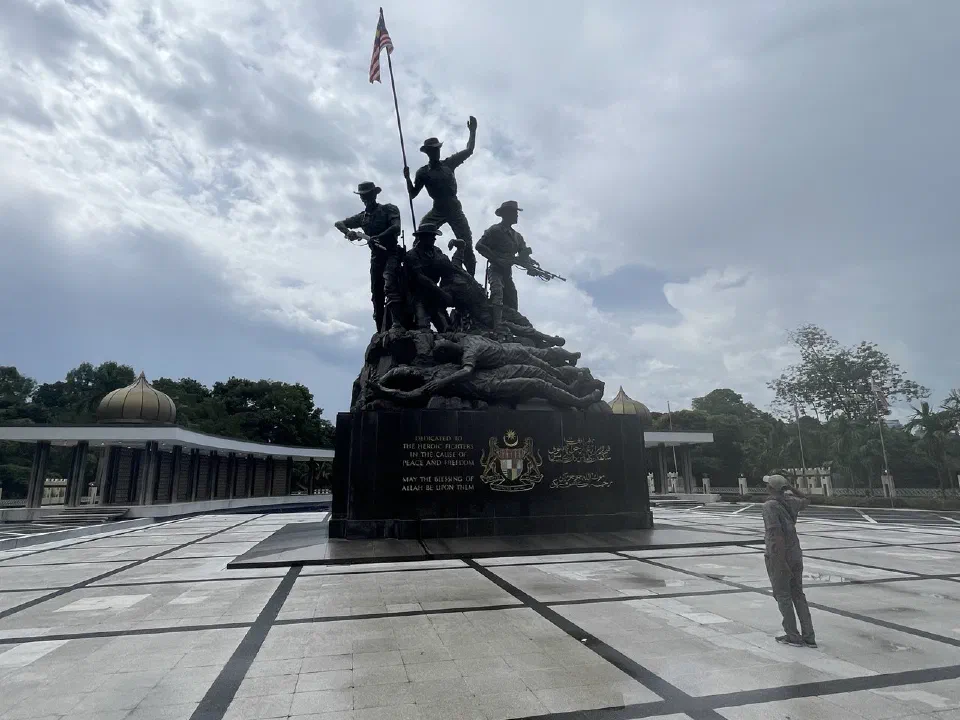
Field Notes
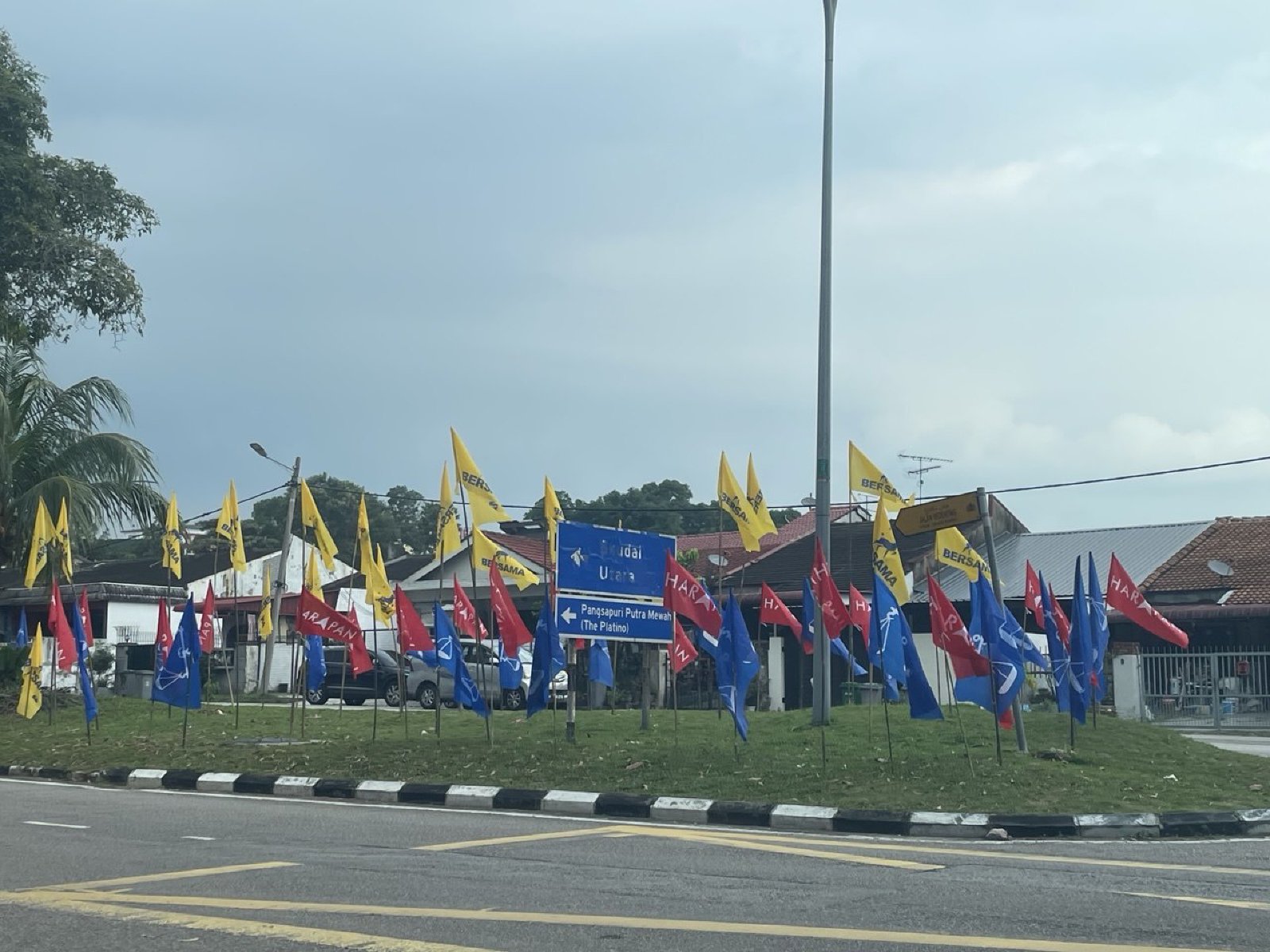
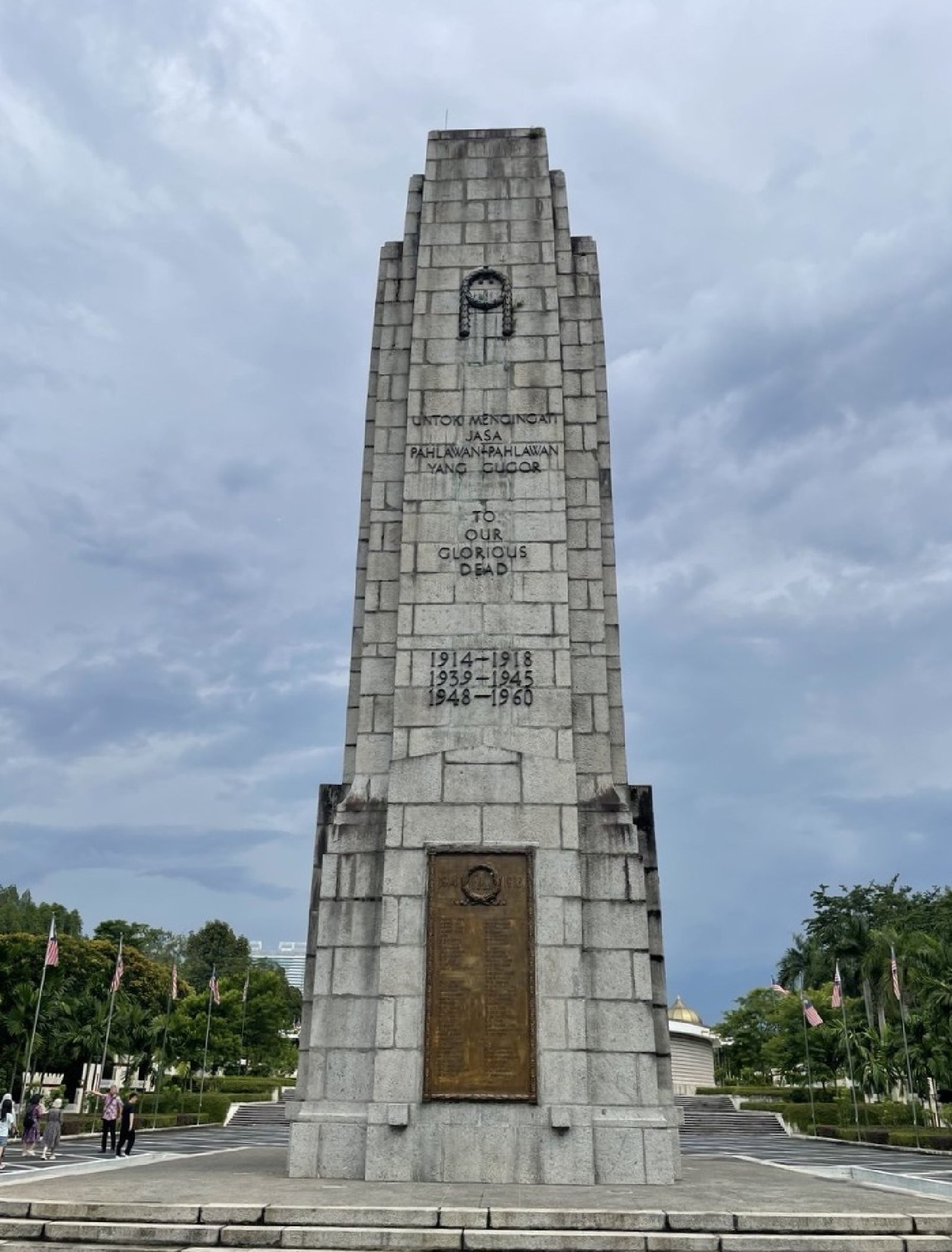
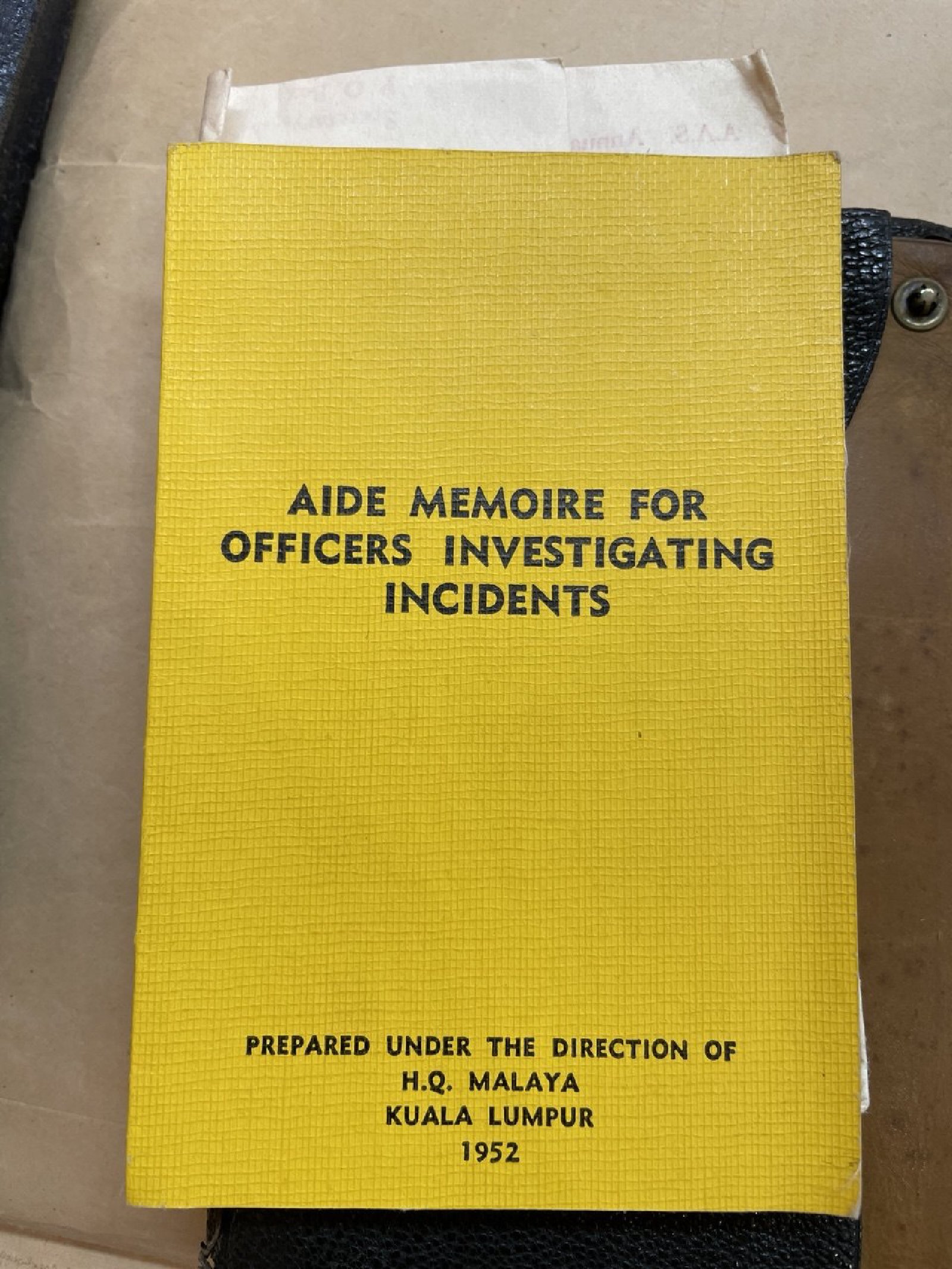
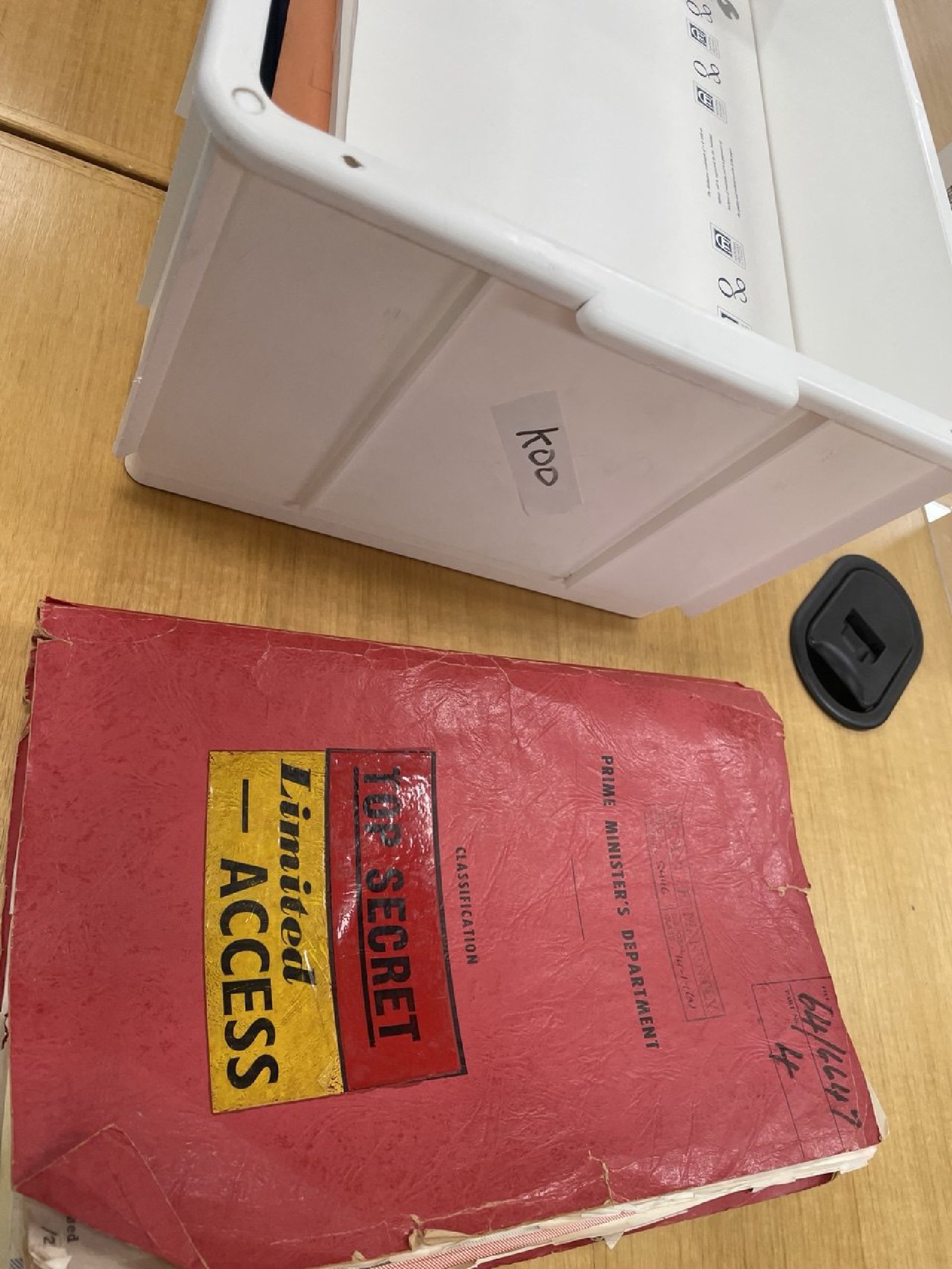
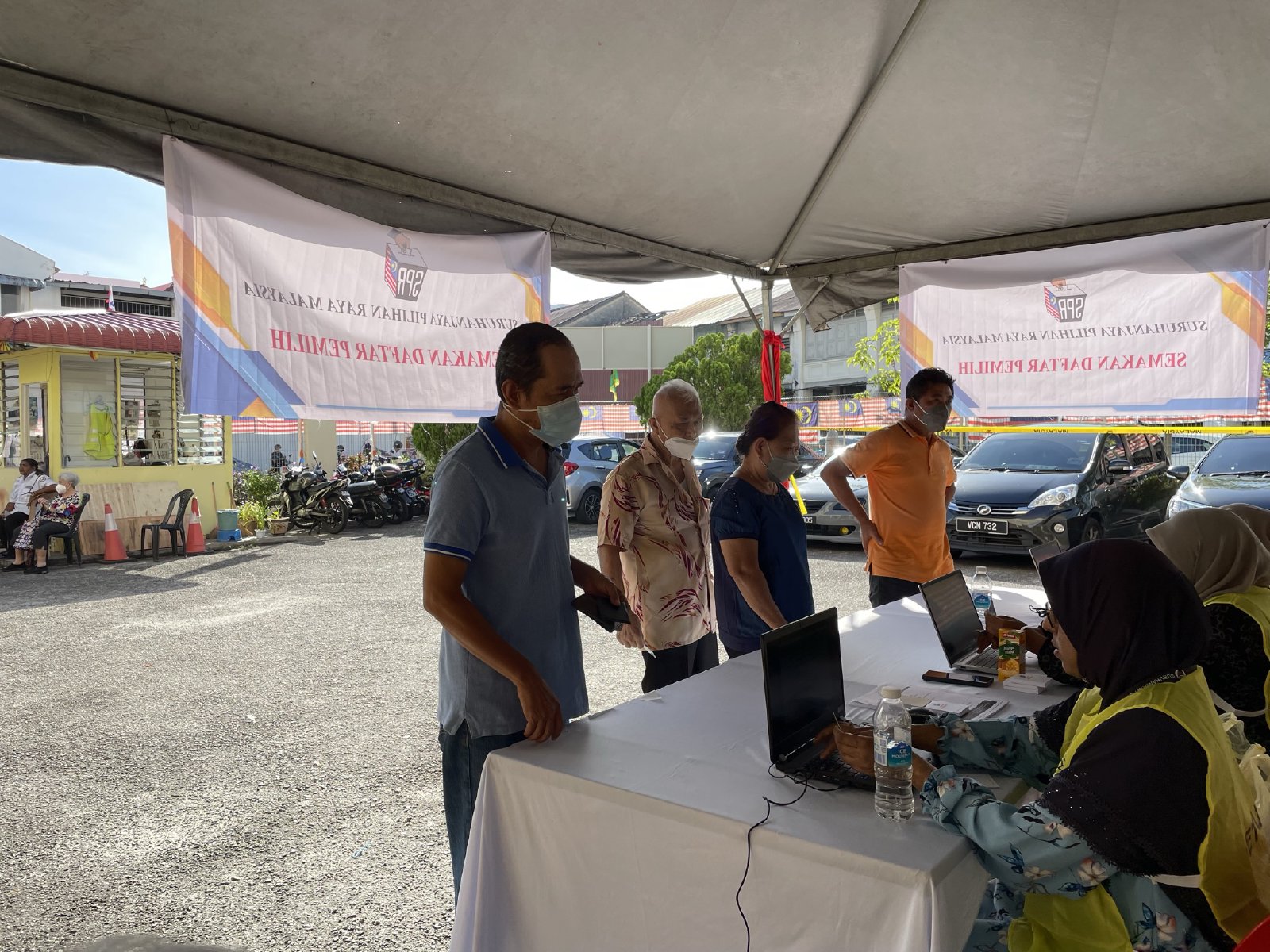
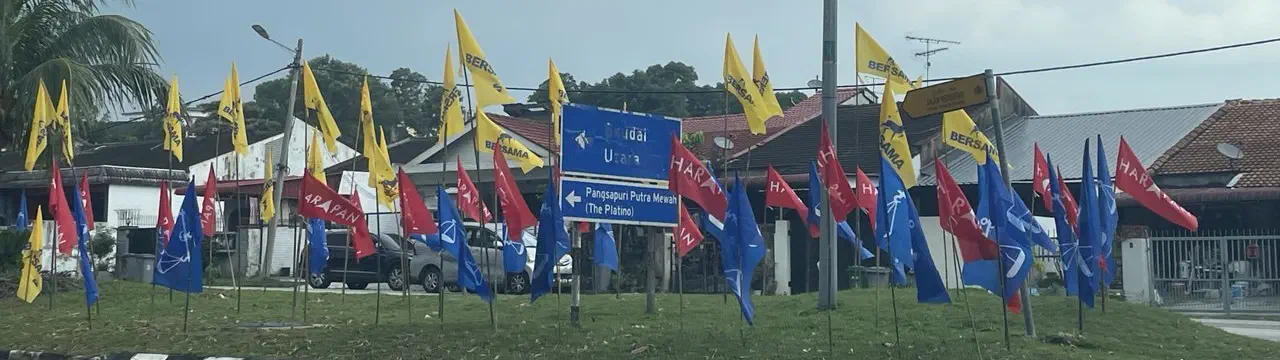
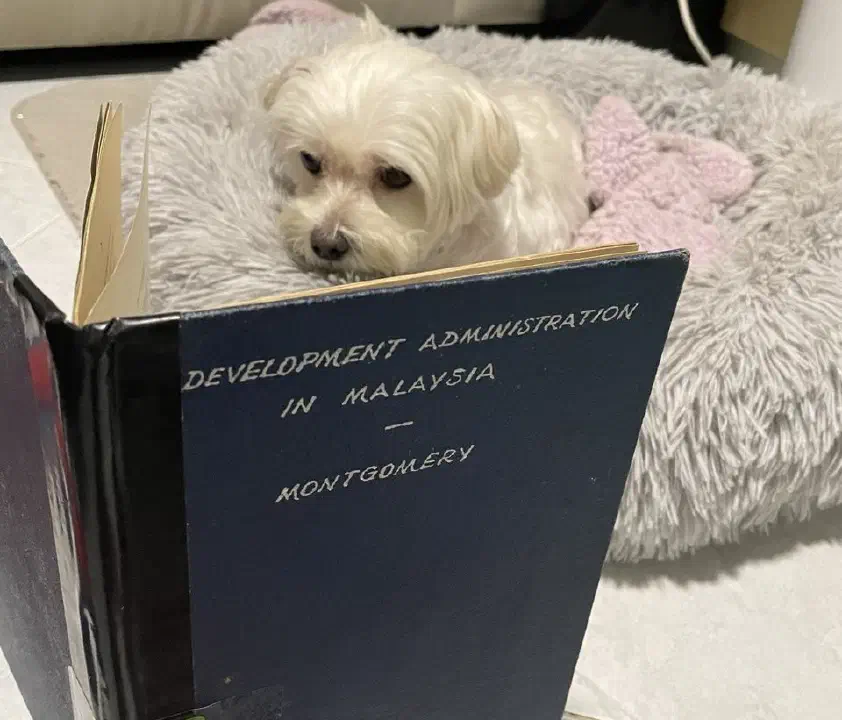
No research plan survives first contact with the field. I’m grateful for the many conversations with regional experts, interviewees, and of course my committee that have made my research more sensitive to case context while focused still on salient questions in the political science discipline. From the dusty files of an archive to the dining tables of interviewees, here are some visual snippets from a journey that took me to Australia, Canada, Malaysia, Singapore, and the UK for archival research and interviews. Terima kasih (thank you) to everyone—both furry and non-furry—who were part of this journey.